
Fine furniture earns its keep through years, not weekends. The difference between a piece that still stops conversation at twenty and one that quietly disappoints at two is rarely the maker’s craft — it is the care it receives. Before we get to the specifics of leather, marble, wood and velvet, hold one idea: your furniture asks for almost nothing, but it asks consistently. Ten spare minutes a week beats one heroic deep-clean every spring, every single time.
Every piece from the house leaves its workshops in Foshan, China — where the craft has run since 1996 — 100% hand-finished and made to order. That handmade character is precisely why small, regular courtesy pays off so handsomely, and why the ten-year structural warranty on the frame is more than a marketing promise. This guide walks through caring for each signature material, why hand-finished pieces age gracefully rather than merely survive, and what that warranty honestly does and does not cover.
Full-grain Leather: Breathe, Dust, Condition Sparingly
Full-grain leather is the hide’s outer layer kept intact — the strongest, most honest surface leather can offer. The pieces made with Nappa and aniline hides carry that beauty on the surface, uncoated. That is a feature, and it is also a small responsibility.
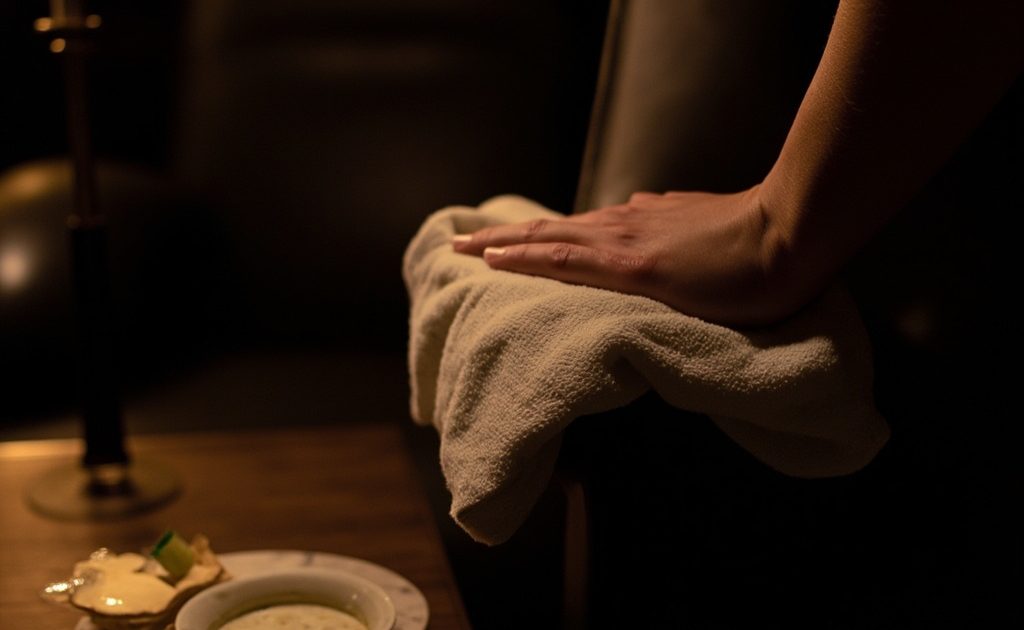
Dust with a soft, dry cloth once a week. That single habit removes the gritty particles that, over months, act like fine sandpaper against the natural grain. Then keep the piece away from two quiet enemies: prolonged direct sun and damp corners. Sunlight and humidity both draw out the natural oils that keep the surface supple, and once those oils are gone, no amount of conditioning fully brings them back.
Conditioning deserves restraint, not enthusiasm. A natural leather oil or conditioner, applied sparingly with a soft cloth and buffed in, keeps the hide fed. But more is not better — over-conditioning leaves a greasy film that collects dust and dulls the finish. For most homes, once or twice a year is plenty, and a small patch test on an unseen corner first is always wise. The reward is the point of buying good leather in the first place: a patina that deepens and softens with use, gathering warmth the way a well-worn jacket does, rather than a cracked, tired hide within a few dry winters.
Marble: Blot, Wipe, and Keep Acid at Bay
Carrara and Calacatta marble give a room its bones. The stone is porous, so the rules are simple and firm, and following them is most of the battle.
Clean with a soft, damp cloth, then dry with a clean one to avoid water marks. For everyday grime, a mild neutral cleaner — never anything acidic, never anything citrus-based — lifts the surface without etching the polish. Spills are the real test, and the correct response never changes: blot gently, and never rub. Rubbing works liquid down into the pores, where it becomes a mark no surface wipe will reach.
Two standing rules keep marble flawless for years. Keep acidic liquids — wine, lemon, vinegar, fizzy drinks — off the surface entirely, and never set hot cookware directly on it. Both etch the finish in seconds, and repairing an etch costs a great deal more than the two seconds it takes to reach for a trivet or coaster. For a table you eat and work on daily, a good sealer applied when the piece is new is worth every penny. Ask about it when you order, and reseal on the schedule your maker suggests rather than guessing.
Walnut, Oak, Rosewood & Macassar: Dust, Shield, Feed
The frames and veneers draw on walnut, oak, rosewood and striking Macassar ebony — hardwoods chosen to be lived with, not worshipped. Their care is the care of good wood generally, which is really a matter of shielding them from the extremes people create.
Dust regularly with a dry, soft cloth. Then guard the piece from the two climate enemies: prolonged direct sunlight, which fades and dries the grain, and the humidity swings that radiators and air vents throw off. Wood is never fully static; it breathes with the room, and the less violently the room changes, the straighter and sounder the piece stays. On the surface, two habits prevent the quietest forms of damage — coasters under every glass for water rings, and felt pads under every ornament for scratches. Both are invisible insurance that cost nothing and preserve everything.
A suitable wood oil or finish, applied thinly and periodically, replenishes the surface and deepens the grain. Follow the product’s own instructions, wipe off any excess so no residue gathers, and let it cure before the piece is used again. Done right, the warm surface of a walnut dining table does not wear out; it grows more characterful with every year, mellowing toward something no factory finish can imitate.
Velvet, Bouclé & Soft Textiles: Vacuum, Brush, Spot-Clean
Velvet and bouclé bring the softness — and they ask for gentleness in return. These fabrics catch dust in their weave, so the trick is to go after it before it settles into the pile.
A gentle vacuum with a soft brush attachment, run over the piece weekly, lifts dust and grit without crushing the nap. For velvet, follow the pile in one direction with a soft brush to keep the light-catching texture even. Spot-clean stains promptly with a damp cloth and a mild cleaner, dabbing rather than rubbing, then let the area air-dry naturally — heat from a dryer or iron will set a stain and crush the fibres. For anything significant, or for a piece that needs a genuine reset, call in a professional fabric cleaner. Velvet and bouclé reward a professional hand when the moment truly calls for it, and knowing when to call is part of caring well.
Why Hand-Finished Pieces Age Well, and the Ten-Year Warranty
Mass production chases consistency per minute. Hand-finishing chases consistency per surface — and the difference shows itself over a decade rather than a week. When a finisher works each hide, each length of grain, each seam by hand, imperfections are caught and corrected at the bench, not hidden beneath a thicker coat of finish. The result is a more even, more honest, more repairable surface.
This is also why a cared-for piece can be restored rather than replaced. A leather sofa that has been dusted and conditioned can be reconditioned and brought back to life. A marble top that has been protected from acid needs no work at all. Hand-finishing does not make care unnecessary — it makes care effective, because there is a quality of surface worth preserving beneath the daily wear. Because nothing in the house is mass-produced and every piece is made to order, nothing is rushed and nothing is treated as disposable. The wear that appears over time is not damage; it is the piece becoming unmistakably yours, which is exactly what a good piece of furniture is supposed to do.
Every piece from Rosy Rose carries a ten-year structural frame warranty, and it is worth being precise about what that promise covers — and what it does not.
The warranty protects the frame: the joinery, and the solid structure that holds the piece together and keeps it honest for a decade and beyond. The full-grain leather, the Carrara tops, the velvet and the hand-finished wood are made to be maintained rather than repaired under warranty — care is your half of the partnership, and a warranty is not a substitute for it. Normal wear from daily use, and the natural aging of leather and wood, are part of a piece’s life rather than faults within it. A scratch earned in a busy family kitchen is not a manufacturing defect; it is a story.
Ten years matters because of what it signals. A maker who offers ten years on the frame expects the structure to outlast trends, and engineers it to be re-upholstered and re-finished long after most sofas have been sent to landfill. It is a bet the maker places on their own joinery — and, honestly, on you treating the surface fairly. With the small, consistent habits above, most pieces outlast even that generous promise, which is the real measure of both the craft and the care.
Small Habits That Protect Everything
A handful of habits protect every material at once, whatever your room holds.
- Keep furniture out of direct sun and away from heaters, radiators and air vents — heat and light age leather, wood and fabric alike, so let the climate stay gentle.
- Use coasters, trivets and felt pads without apology. Prevention is a thousand times cheaper than repair.
- Lift, never drag, heavy pieces. Dragging stresses the very frame the warranty protects.
- Attend to spills the moment they happen, blotting rather than rubbing, before a stain sets in.
- Dust weekly, deep-clean occasionally, and condition or treat the surfaces seasonally.
Caring for fine furniture is not a chore list. It is the quiet agreement you make with a piece that was built by hand, made to order, and intended to stay. Do the small things consistently, treat leather, marble, wood and velvet as the living materials they are, and the ten-year warranty becomes a footnote — because the piece will be with you long after that decade has passed.
For questions about caring for a specific piece, or about the warranty on a piece you are considering, the workshop is a WhatsApp message away at +86 186 7570 6957. If you are searching for a leather sofa that rewards this kind of care, or a marble table worth protecting, that is where the conversation begins.