How to Arrange a Factory Visit in Foshan: Agenda and Checklist
Arrange the visit four to six weeks ahead, send your specification brief and visitor list first, and ask the factory to confirm which production stages will be running on the day. Plan two full days for two or three factories, walk the workshop in the morning while lines are active, and carry drawings, a measuring tape and a printed question list. Leave with photographs, measured samples and a written record.
What should a Foshan factory visit actually achieve?
A visit is not a courtesy call, and it is not a showroom tour. It should produce three specific outputs: verified production capacity, an honest view of how your specification would be built, and enough written evidence to support or kill the shortlist decision.
Everything in this guide is designed around those three outputs. If a day of travel ends without them, the itinerary failed regardless of how pleasant it was.
How far ahead should you schedule, and how should you plan the route?
Scheduling is a communication exercise before it is a logistics exercise. Factories plan their lines weeks ahead, and the person who greets you depends on what you tell them you want.
| Lead time | Action | Owner |
|---|---|---|
| T-6 weeks | Send a one-page brief: product categories, volumes, target markets, your stage of selection | Buyer |
| T-4 weeks | Confirm dates, number of visitors, and the specific stages you want to see running | Both |
| T-3 weeks | Request the documents you want reviewed on site: process maps, inspection plans, warranty terms | Buyer |
| T-2 weeks | Agree the agenda and who will host: a salesperson, an engineer, or a production manager | Factory |
| T-1 week | Reconfirm in writing, exchange mobile numbers, and confirm arrival time | Both |
| Day of visit | Arrive on time, hold a 15-minute opening meeting before walking the floor | Both |
If the factory cannot confirm which stages will be running, treat that as an answer about how the plant is managed.
Foshan is not one location. The exhibition and showroom district around Lecong and the production belt across Shunde are treated as different stops even by buyers who arrive weekly. Practical planning points:
- Cluster your visits geographically. Two factories in the same town are a half-day; two on opposite sides of the city is a full day with no production time.
- Allow forty-five to ninety minutes between appointments. Traffic around the showroom districts is unpredictable and a late arrival compresses the only part of the visit that matters.
- Book accommodation near the middle of your cluster, not near the airport.
- Keep one afternoon unscheduled. Something always needs a second look, and a second look is where the visit pays for itself.
What does a realistic two-day agenda look like?
The agenda below assumes two factories. Compress it only by removing a factory, not by shortening the walk-through.
| Slot | Activity | Output |
|---|---|---|
| Day 1, 09:00-09:30 | Opening meeting: your brief, their structure, roles confirmed | Named contacts and reporting lines |
| Day 1, 09:30-11:30 | Full workshop walk-through, material receiving to packing | Photographs and stage-by-stage notes |
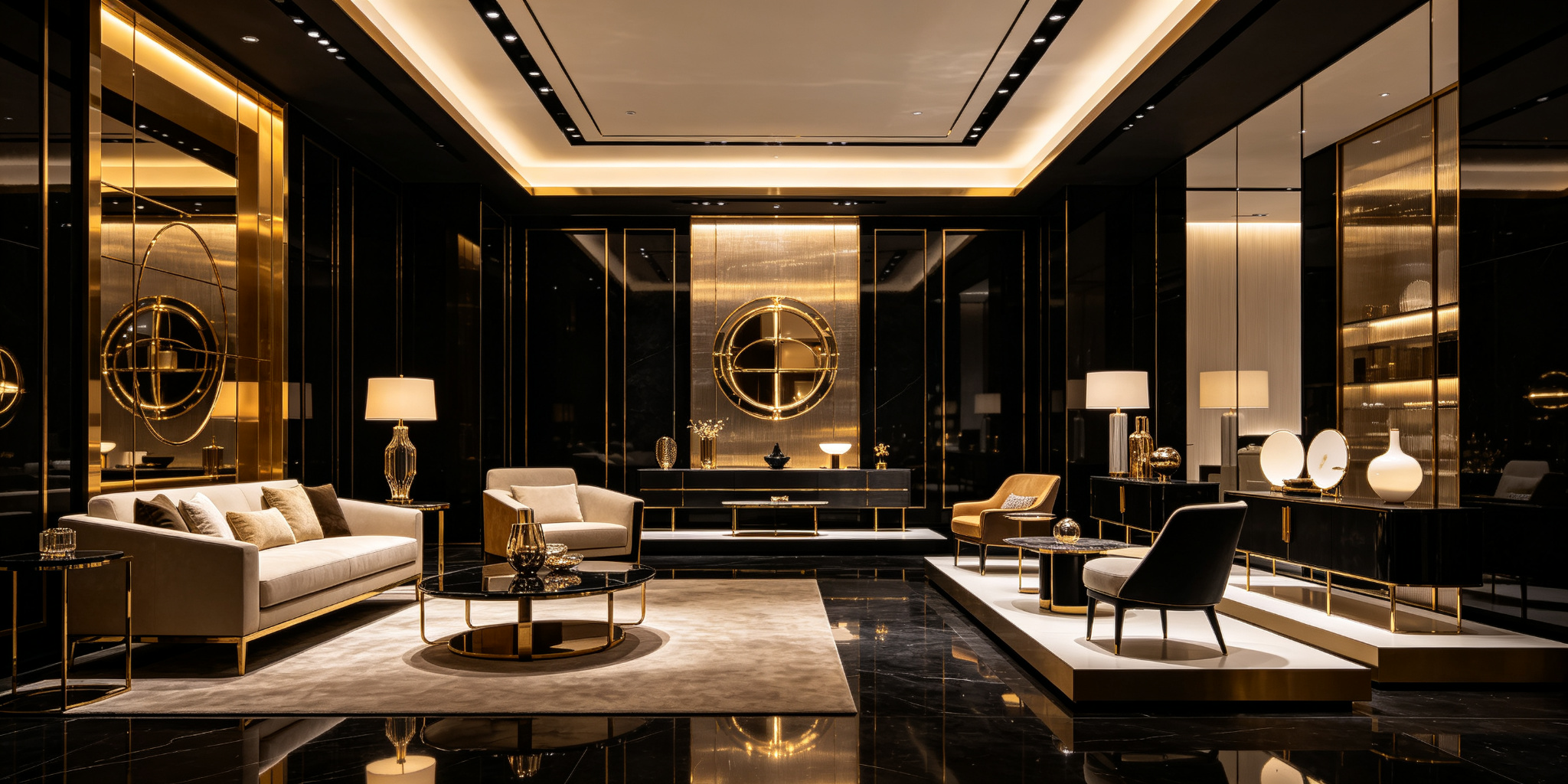
| Day 1, 11:30-12:30 | Showroom: collections, finishes, mock-up room | Shortlist of finish and range options |
| Day 1, 14:00-16:00 | Second factory, same agenda | Second set of comparable notes |
| Day 1, 16:30-18:00 | Write up both visits while details are fresh | Draft comparison sheet |
| Day 2, 09:00-11:00 | Technical session: drawings, construction, sampling plan | Agreed drawing and sample actions |
| Day 2, 11:00-12:00 | Commercial session: lead times, terms, documentation | Draft term sheet |
| Day 2, 14:00-16:00 | Loose ends, re-measure a finished piece, photograph packing | Measured data and packing evidence |
What should you carry into the workshop?
A short, boring checklist prevents most return trips:
- Specification brief with a revision number and date.
- Approved drawings or reference samples, printed.
- A measuring tape and, if construction tolerances matter, calipers.
- Camera or phone with sufficient storage and a strap you can wear on the floor.
- Closed, flat footwear and, where the plant requires it, your own safety glasses.
- A printed question list, at least fifteen questions, with space to write answers.
- Business cards, and a notebook you actually write in rather than a phone you type into while walking.
The printed question list is the single most useful item. It converts a guided tour into an audit.
How do you run the walk-through so it produces answers?
Follow the physical flow of your product, not the host’s preferred route.
- Start at material receiving. Look at how timber, fabric and hardware are stored, labelled and checked in. Ask what happens to a rejected batch.
- Follow the cut and machine stages. Ask which machines are used for your joints, and what the operator checks before passing work on.
- Stop at every inspection point. Ask who signs, what is recorded, and where the record goes.
- Ask to see the rework area. A factory with no rework is either exceptional or not being honest.
- Look at work in progress. Labels on WIP tell you whether orders are tracked by batch or by memory.
- End at finishing and packing. Finishing quality and packing method determine how much arrives intact.
- Photograph each stage with its signage visible. The photographs are your evidence base for the write-up.
Ask the same seven questions at both factories. Comparability comes from repetition, not from volume.
Key facts
- Rosy Rose has built furniture in a Foshan woodworking workshop since 1983.
- Our factory occupies 200,000 square metres; the Lecong showroom covers 100,000 square metres.
- All four workshops are self-operated, so a single walk-through covers every stage of production.
- Sixteen inspection points sit between material intake and dispatch.
- Buyer visits are hosted by production and engineering staff, not only by sales.
- We quote against drawings and maintain a sample room for programme buyers.
What should you record before you leave the building?
Do not rely on memory in a taxi. Record the following while you are still on site:
- A photograph of each production stage with its signage in frame.
- The machine list for the stages your product depends on.
- A written note of who signs each inspection record and where the record is stored.
- The measured dimensions of at least one finished piece in your specification.
- The packing method, photographed inside and out, including carton construction.
- A one-page summary confirmed verbally with your host before you leave, so there is no later dispute about what was shown.
What mistakes waste a Foshan trip?
Buyers lose most of the value of a Foshan visit through process, not through bad factories.
- Scheduling five factories in two days and touring all five at walking pace.
- Arriving with no written brief, which invites a generic showroom presentation.
- Letting the host choose the route, which always skips the awkward areas.
- Skipping the packing line, which is where transit damage is decided.
- Never measuring a finished piece, so tolerance claims stay unverified.
- Leaving without agreeing the next action in writing.
- Treating the visit as concluded once you are in the car.
What should happen in the week after the visit?
The visit only converts into a decision if it is processed quickly.
| Timing | Action | Owner |
|---|---|---|
| Within 24 hours | Circulate photographs and notes to your internal stakeholders | Buyer |
| Within 48 hours | Send each host a written summary and a list of open questions | Buyer |
| Within 5 working days | Request any documents promised during the visit | Factory |
| Within 7 working days | Update the shortlist scorecard and decide on sampling | Buyer |
| Within 10 working days | Issue a sample or mock-up request with a target date | Both |
What does a hosted visit look like from our side?
Visitors to our Foshan base usually arrive with a brief and leave with a specification. Because cutting, machining, finishing and upholstery all run under our own roof, one continuous walk-through covers the whole production sequence instead of ending at a subcontractor’s gate.
We host programme buyers, designers and specification teams against a shared agenda and a written question list, and we are comfortable with the unplanned request: a rework area, a packing line, a machine that is running slowly. Finish and range questions are usually settled in the Lecong showroom, where a 100,000 square metre floor makes finish and range selection a physical comparison rather than a catalogue guess. Custom programmes built from Dorata, Ginevra and Selene, or entirely from your own drawings, carry a ten-year structural warranty, a two-year finish warranty and a lifetime refinishing commitment.
Visas, import documentation and any contractual terms you discuss during a visit are matters for your own advisers; confirm with your broker or legal advisor the requirements that apply to your business, rather than relying on a host’s summary.
Fix the brief first, then the dates, then the route through the building. Two factories, one agenda, the same seven questions, and a write-up within twenty-four hours. That is a visit that changes a decision.
If you are planning a Foshan trip, our team can confirm which stages will be running on your dates and put an agenda together in advance on WhatsApp at +86 188 2788 2512, or arrange a factory and showroom visit so the walk-through starts from your specification.