How Much Does It Cost to Furnish a Hotel? Cost Drivers Explained
There is no single number for furnishing a hotel. The total comes from how many spaces you are filling, the specification level chosen for each one, the volume of identical pieces ordered, and how much of the logistics chain you ask the supplier to carry. A guest room, a lobby and a banquet hall price on entirely different logic. Any honest figure arrives as a project-specific quotation.
What actually decides a hotel furnishing budget?
Four levers sit behind every hospitality furniture budget, and they interact rather than add up cleanly.
The first is scope – how many keys, how many public spaces, how much back-of-house, staff and storage area furniture. The second is specification: solid hardwood or veneered panels, full-grain leather or a coated split, hand-tied springs or a simpler suspension. The third is volume and repetition – how many identical units run down the line. The fourth is service scope: does the supplier stop at the factory gate, or carry packing, export documentation, freight, destination charges and installation?
Most buyers work the specification lever hard and ignore the fourth. In practice, a change in delivery terms can move a budget further than a change in timber species.
A useful habit is to separate unit cost from project cost. Unit cost is what one nightstand costs. Project cost is what it costs to have that nightstand installed, level, protected and standing in room 412 on the morning the property opens. They are not the same number, and only one of them appears on a per-item quote.
How much of the budget sits in the guest rooms?
Guest rooms are the cheapest space per square metre and the most expensive in total, simply because there are hundreds of them and the design intent repeats across every floor.
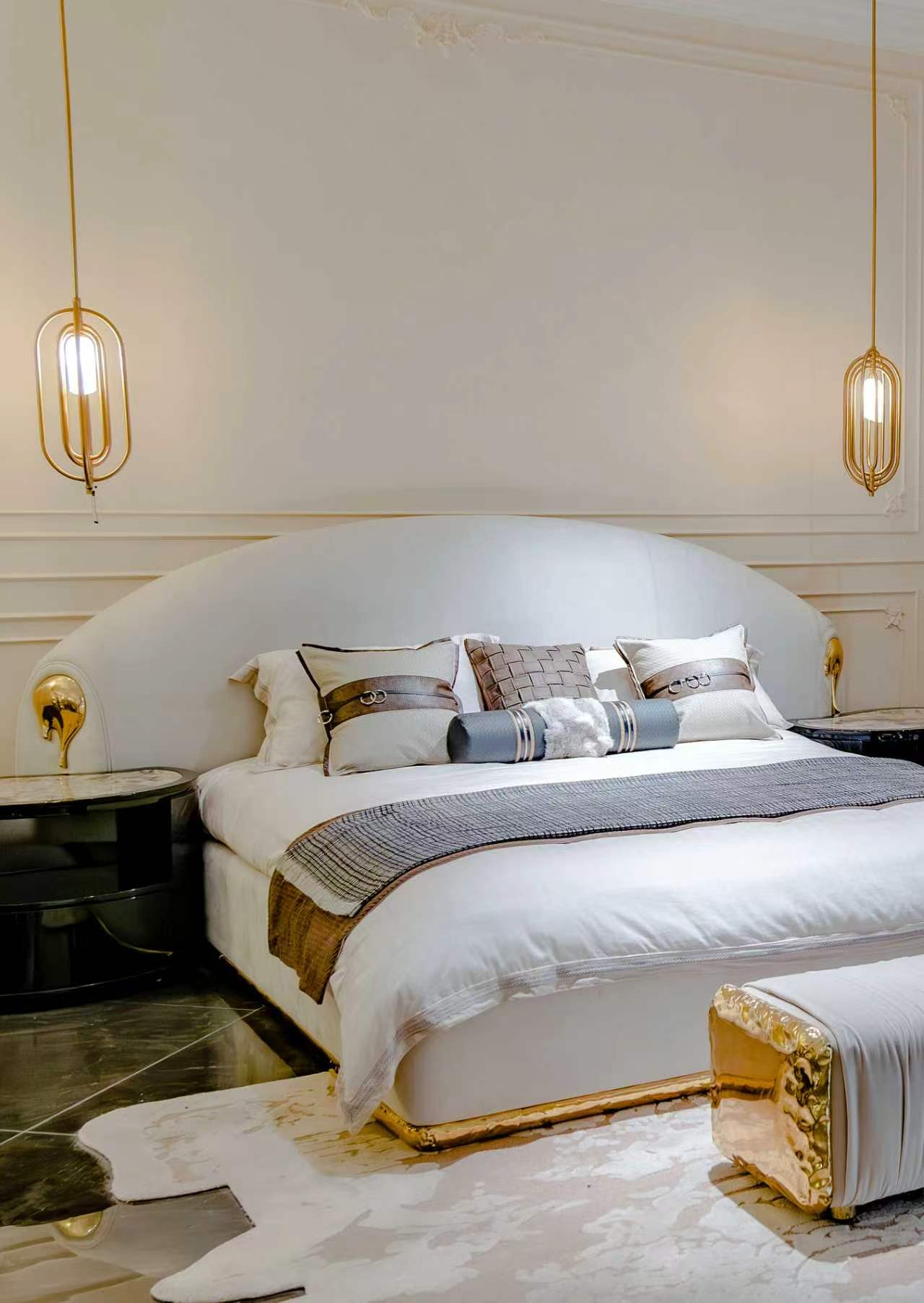
A typical room package runs across three groups:
- Casegoods – wardrobe, bedside units, desk or vanity, luggage bench, minibar surround
- Upholstery – headboard, one or two lounge chairs, an occasional stool
- Tables and accessories – side table, coffee table where layout allows, mirrors, coat rail, luggage rack, bed base
What drives the room subtotal is mostly material and finish consistency. A room only looks correct when all casegoods come from the same board batch and the same lacquer run, which constrains scheduling and increases offcut waste. That is one reason room furniture is quoted as a package rather than piece by piece.
The other quiet driver is durability specification. Room furniture takes doors closed too hard, trays dropped and suitcases dragged across rails. Edge banding thickness, hinge rating class, drawer runner rating and moisture-resistant substrates all raise unit cost in ways a photograph will never show – and all lower the cost of the first several years of ownership.
Why do lobbies, lounges and public areas cost more per square metre?
Public areas price higher for a structural reason: the piece count is smaller, but each piece carries far more.
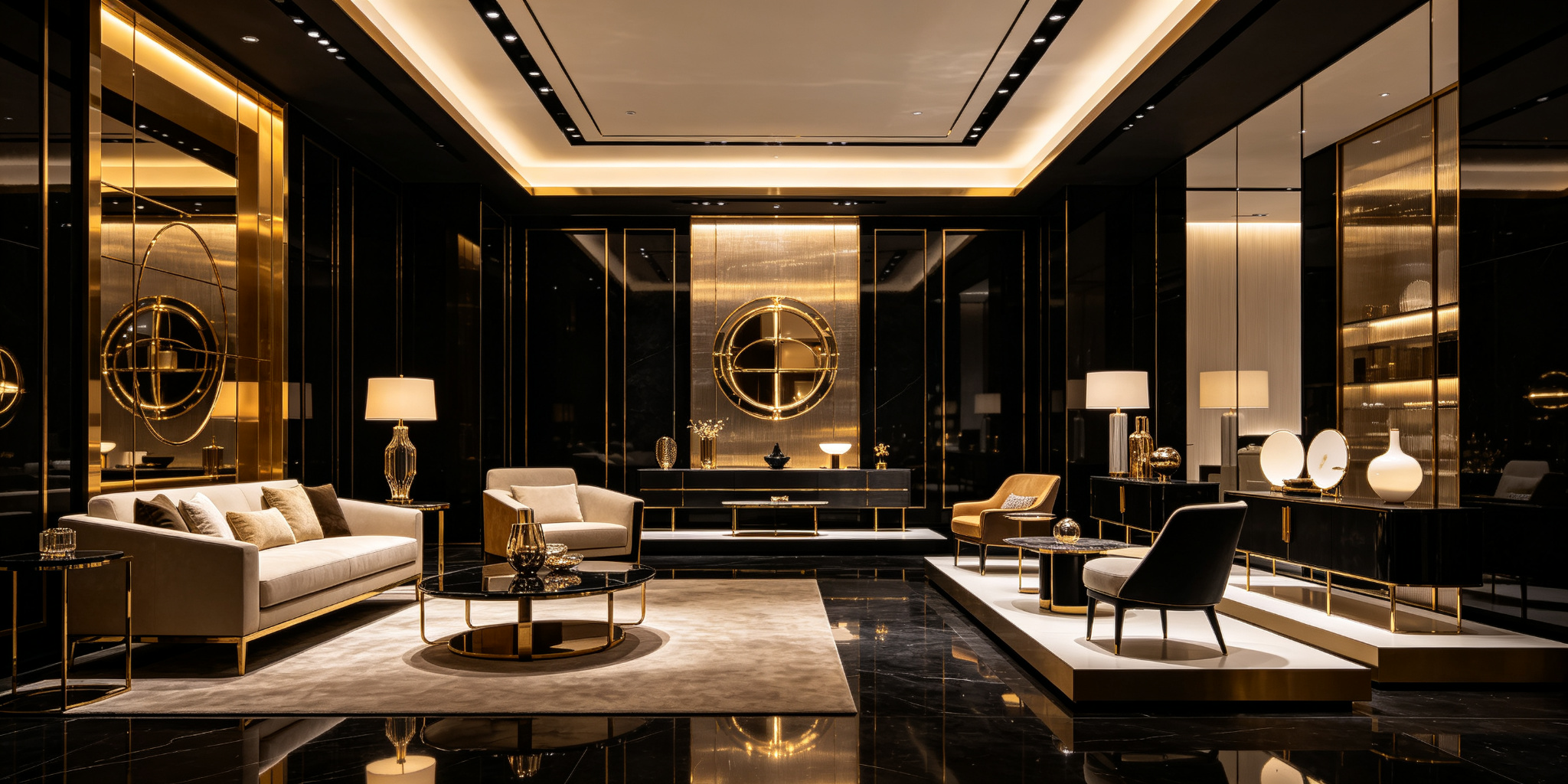
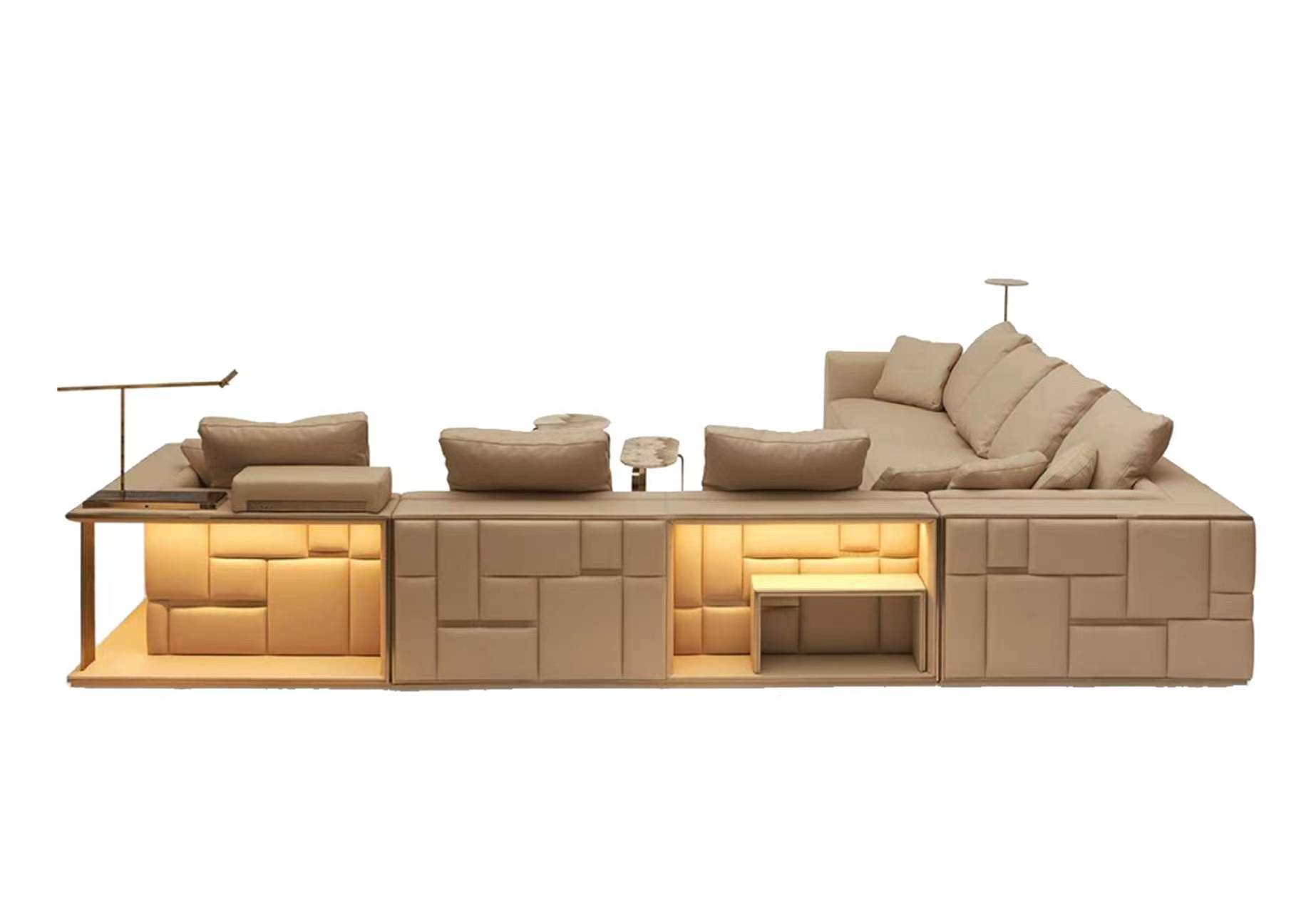
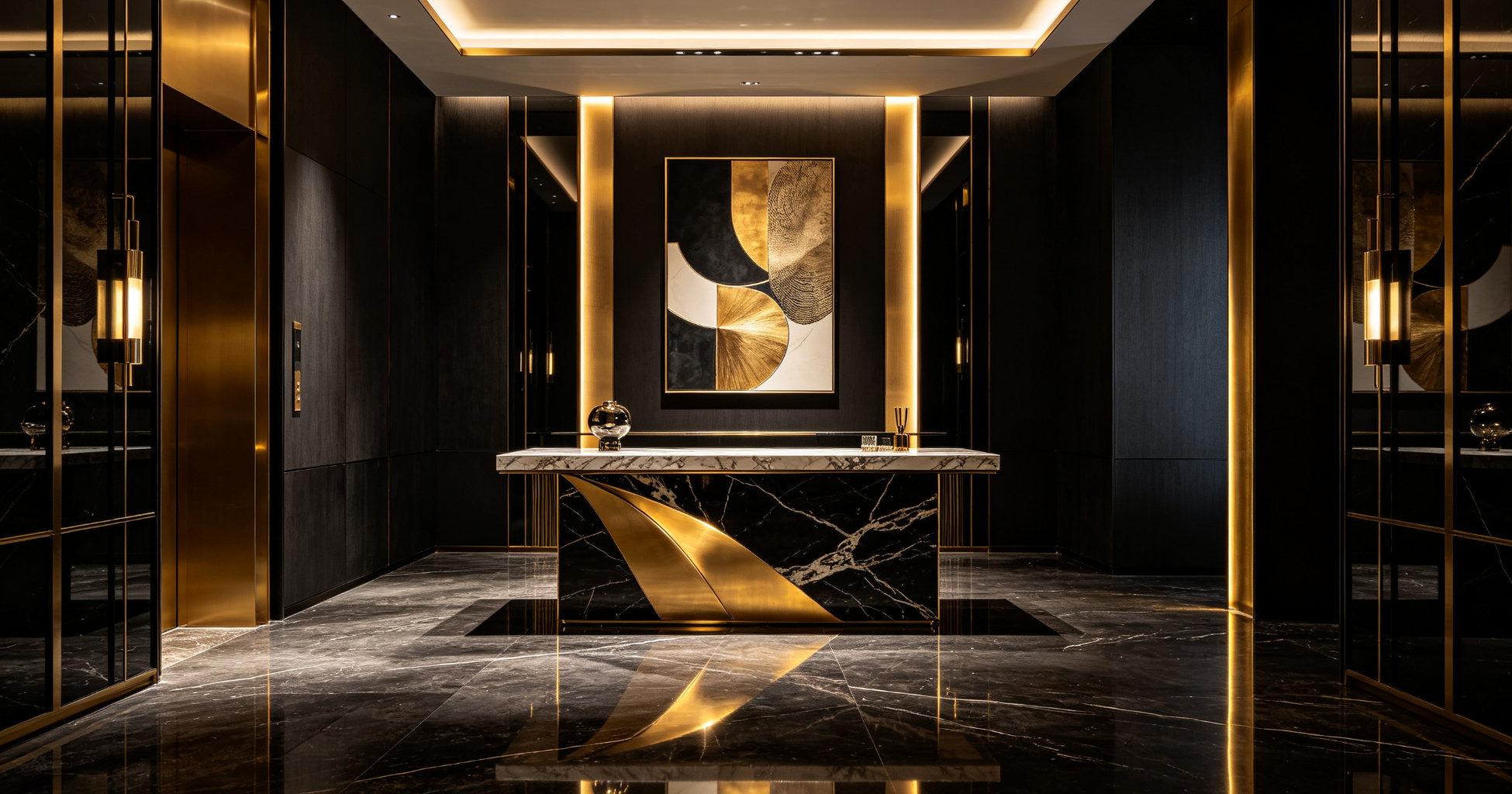
A lobby is a first impression, so designers specify larger forms, more visual risk and slower production processes. Sculptural sofas, statement stone tables, panelled reception desks and custom metalwork all take more engineering hours per unit than a standard room chair. Stone is chosen by slab and cut to reveal the vein, which limits how many tops come out of one block. Curved upholstery needs a frame built to a jig rather than a straight line, and a jig is a one-off cost spread over very few pieces.
Public areas are also where fixed installation enters the budget. A banquette built into a wall, a bar front clad in stone, a reception desk designed as joinery rather than furniture – these are priced as millwork, not as product. Buyers who budget lobby furniture from a catalogue price list consistently under-estimate this zone.
What makes F&B and banquet furniture its own cost category?
Restaurants, bars and banquet halls sit at the two extremes at once.
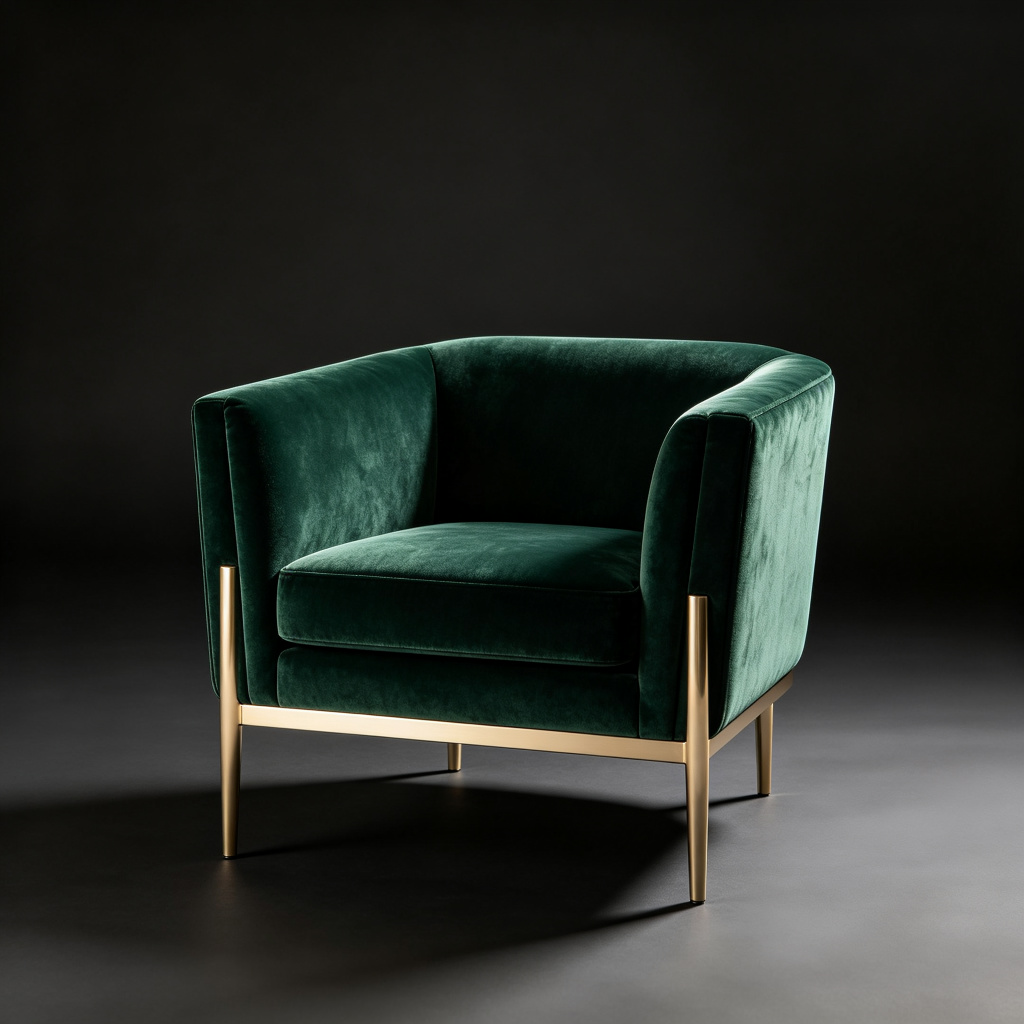
Banquet chairs and stacking tables absorb the heaviest use in the building: thousands of cycles, constant movement, trolley loading, chemical cleaning. They need high-density foam, reinforced frames, protective edge details and finishes that survive a nightly cleaning regime. Meanwhile the dining room needs upholstery that matches the design language of the lobby, because guests see it.
Cost lives in the tension between those requirements. A chair that survives banquet service costs more than a chair that matches the lobby. A chair that does both costs more again – and that is usually the right answer for a property that does not want to refit dining seating every few years.
Bar and counter work adds a further layer, because a working bar is joinery with services running through it. It is normally specified with a millwork contractor, and the factory role is often to supply finished fronts, tops and all customer-facing elements to precise site dimensions.
How does specification level move the number?
Specification is a dial, not a switch. The cleanest way to hold a budget is to decide item by item where the money is visible and where it is not.
| Element | Lower-cost specification | Higher-cost specification | Why it moves price |
|---|---|---|---|
| Carcass and panels | Engineered board, thin banding | Solid hardwood, thick edge detail | Material cost, machining time, waste rate |
| Upholstery cover | Coated split, high-resistance weave | Full-grain leather, wide-repeat natural weave | Hide yield, cutting loss, panel matching |
| Cushion core | Standard-density block foam | Layered foam with wrapped fibre topper | Fill cost, assembly time, replacement cycle |
| Finish | Pigmented spray, single pass | Hand-applied multi-layer, open pore | Labour hours, curing time, rework risk |
| Hardware | Standard-rated fittings | Heavy-duty, tested to contract cycles | Component cost, test documentation |
| Stone and metal | Standard slab, stock profile | Book-matched slab, bespoke fabrication | Selection loss, fabrication complexity |
Put durable specification where hands and weight go. Put visual specification where eyes go. Everything in between is a candidate for standardisation.
How does order volume change the unit cost?
Every order carries a fixed load: drawing interpretation, sample construction, cutting setup, jigs and tooling, packing design, export documentation and the freight booking itself. That load is virtually identical whether the run is twenty pieces or two thousand.
Spread across more pieces, the fixed load shrinks per unit. Spread across matched repeats of the same design, it shrinks further, because the second run needs no new engineering.
Practical implications for a hotel project:
- Repeat designs across floors rather than varying them by wing
- Consolidate all room types into one release instead of phased drops
- Keep one upholstery cover per design group where the inspection regime allows it
- Book packing, freight and installation into the same window as production
Volume also changes the shipment shape. Loading a container well is a genuine cost lever: a planned load carries far more furniture per container than a loose one, and the difference scales across the whole project.
Which logistics and installation costs are easiest to underestimate?
The factory invoice is rarely the final number. On hospitality projects the following appear later and surprise buyers:
- Prototype and mock-up room – building, shipping and installing a full sample room
- Inland transport at origin, port handling and container drayage
- Destination charges – terminal handling, customs clearance, bond and inspection
- Unloading and floor distribution – seldom included in any freight quote
- Installation labour and site adjustment where factory tolerances meet real walls
- Protection during build – wrapping, corner guards, floor protection
- Spares and attic stock – contract owners normally require a replacement reserve
- Storage between delivery and installation, if the building is not ready
We build packing specifications per project rather than per order, because where a crate is opened – a loading dock, a lift lobby, a finished corridor – decides how it should be built. Two identical sofas shipped to the same port can need completely different protection.
How should a buyer structure the budget for a project-specific quotation?
Split the budget into five bands before you ask anyone to price anything:
- Furniture by zone – rooms, public areas, F&B, back of house, outdoor
- Specification allowance – the gap between your base specification and your upgraded items
- Packing and freight to your chosen Incoterm
- Destination and installation – everything after the container lands
- Contingency and spares – a reserve for replacement and site reality
Then ask each supplier to price the same schedule of areas on the same Incoterm, so the comparison is honest. When two quotations differ widely, the difference is almost always scope rather than price level.
Our engineering team works from drawings and a schedule of furniture rather than a product list, and we return a project-specific quotation alongside a sample room proposal, so the client approves a physical piece of furniture rather than a photograph. To request a project-specific quotation, send the schedule of areas, the destination and the target opening date together – those three inputs change the number more than anything else you can tell a factory.
Key facts
- Hotel furnishing cost is driven by four levers: scope, specification, volume and service scope
- Guest rooms cost least per square metre and most in total, because repetition multiplies everything
- Public areas cost more per square metre through larger forms, slower processes and fixed joinery
- F&B and banquet furniture prices higher because it must survive commercial cycles and still match the design language
- The factory invoice is a fraction of project cost; transport, destination charges and installation follow
- Volume lowers unit cost mainly by spreading fixed engineering, tooling and freight-booking work
- Compare quotations only against identical scope, specification, packing and Incoterm
- Any real number should be a project-specific quotation, not a catalogue rate
Planning a hotel fit-out? Send your schedule of areas and drawings and we will return a project-specific quotation, a sample room plan and a packing specification for your route. Rosy Rose has manufactured contract and hospitality furniture in Foshan since 1983, across four self-operated workshops, with 16 outbound quality checks and a 10-year structural warranty with 2-year finish cover. Message our export desk on WhatsApp at +86 188 2788 2512, or start from our custom furniture service and our Foshan factory.