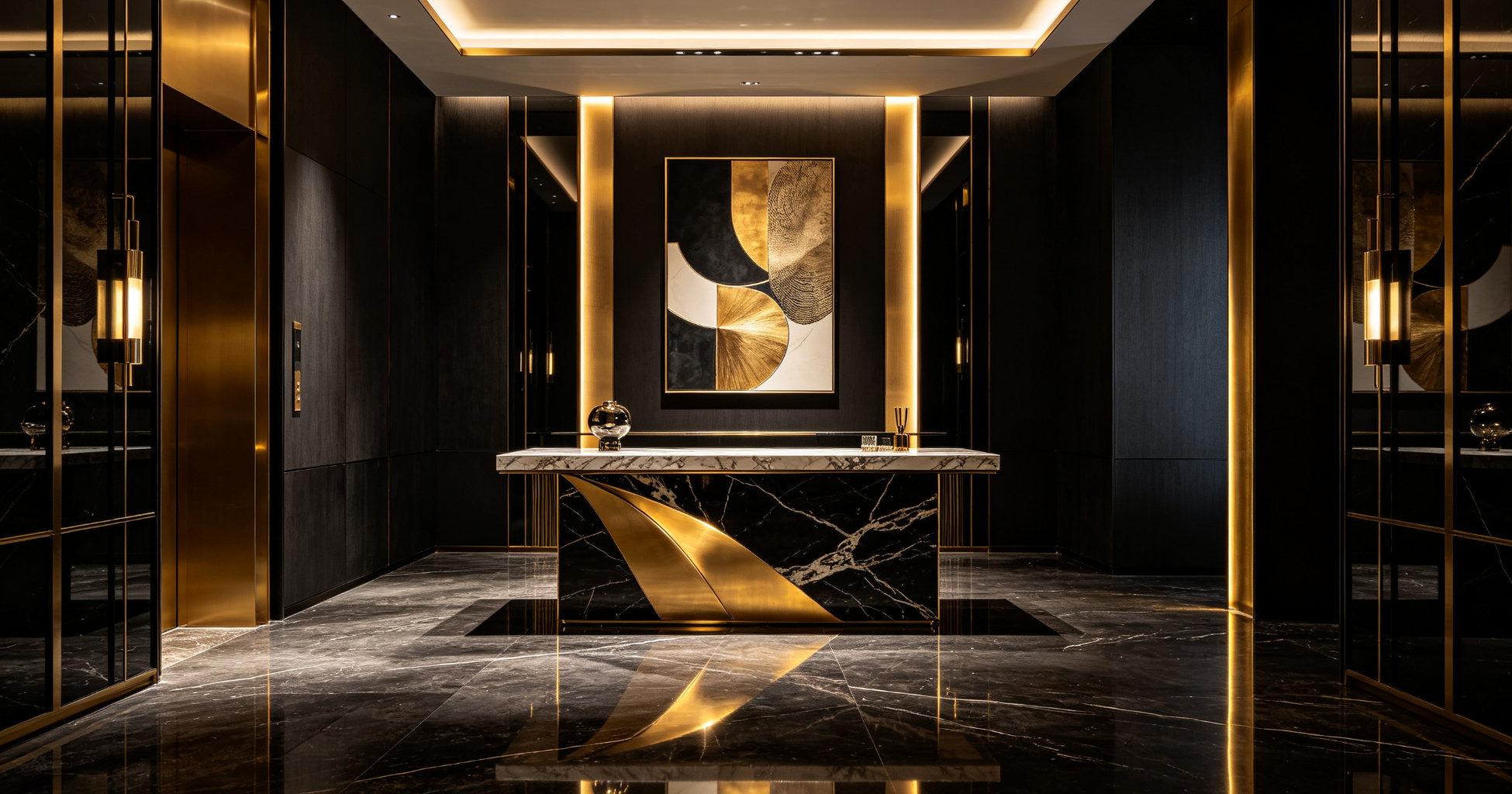
Walk into any workshop and the words fly — aniline, dowelled, book-matched, full-grain — most sitting just out of reach of a useful definition. A good custom piece is built on shared vocabulary: the more precisely you can say what you want, the more precisely it can be made for you. Here is the glossary we wish every client had in hand on the first visit.
> The golden rule of custom furniture: a maker who can name the material, the joinery, and the finish on a piece can also tell you why it costs what it costs — and what it will look like in ten years. Shop for that honesty before you shop for the sofa.
Made-to-order
The piece is built only after you commission it, never pulled from a warehouse shelf. Nothing sits in inventory aging or fading; the wood, fabric, and finish are chosen for you and started fresh. Expect a longer wait and a piece with no one else’s wear on it.
Ready-made
Furniture already finished and in stock, ready the same day. It trades exact personalisation for speed and a lower price. Most workshops sell both — ready-made for instant furnishing, made-to-order for the pieces meant to last decades.
Bespoke
The highest tier of custom: not just picking a fabric, but changing the shape, proportions, legs, and seat depth to fit a specific room and person. A bespoke piece is drawn for you before it is built — expect more conversation and a one-of-one result.
Hand-finished
The final stages — sanding, colouring, waxing, stitching — done by hand rather than by machine alone. Hand-finishing is where character lives: subtle tonal variation, edges that feel broken-in, a surface that reads as made rather than manufactured. It is the difference between furniture and a product.
Showroom
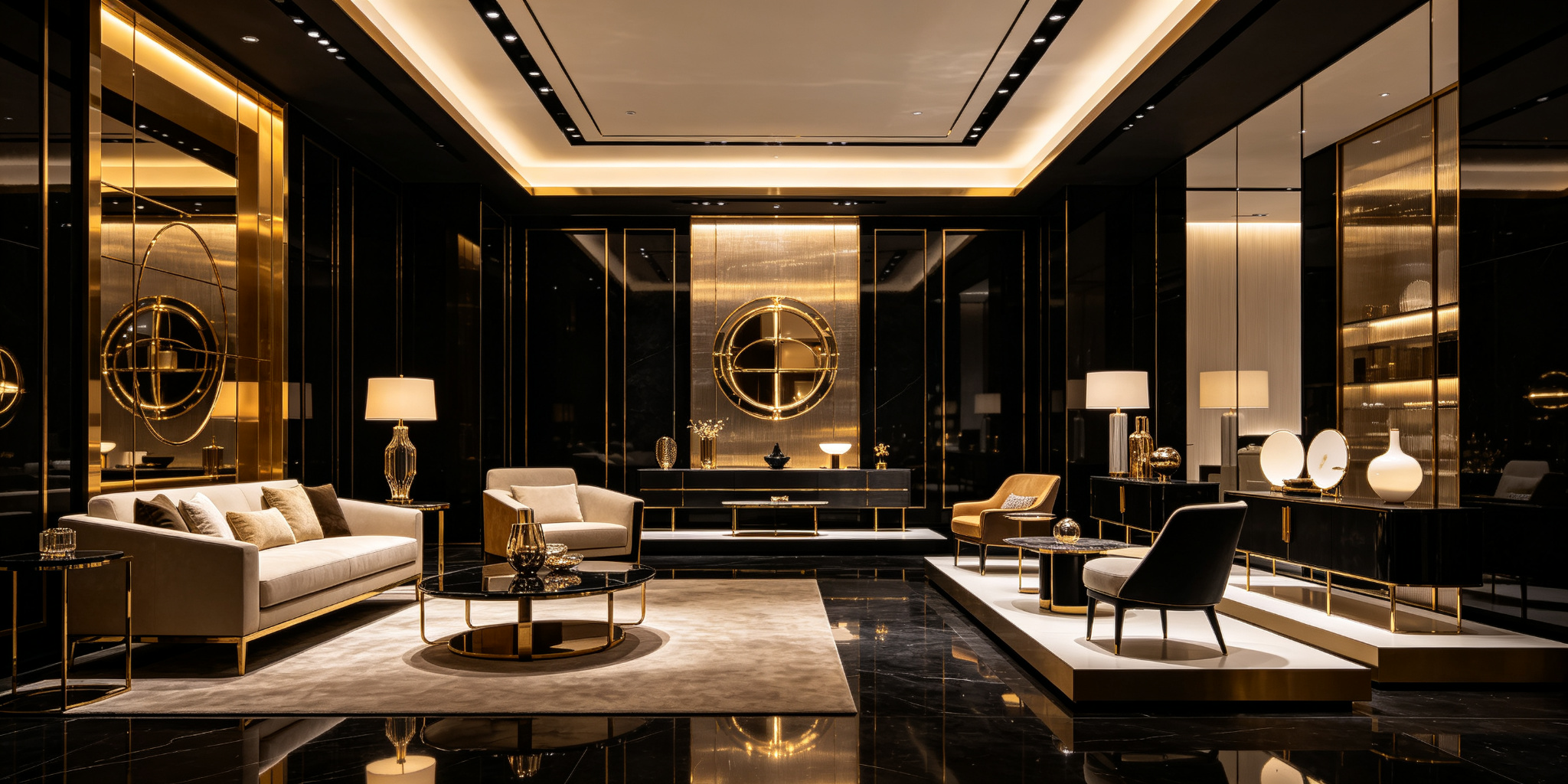
The maker’s display space where finished pieces, samples, and material books let you see and touch before you commit. A serious atelier keeps its showroom beside the workshop, so you can sit on a sofa and then watch a frame being built forty metres away. Most custom houses welcome visitors by appointment.
Provenance
The honest record of where a piece came from: who designed it, which workshop built it, which hands finished it, and in which country. Provenance matters for furniture as it does for art — it is the difference between owning a table and owning that workshop’s table.
Book-matched marble
Two (or more) slices cut from one block and opened like the pages of a book, so the veining mirrors itself across a seam. The surface becomes a single picture where grain and veins flow across the top. This is how a fine table stops reading as slabs and starts reading as one stone.
Carrara marble
A white-to-grey Italian marble with soft grey veining, quarried in Tuscany’s Carrara region. It reads as calm and classic rather than showy. Because it is natural stone, no two Carrara tops are the same — which is why hand-selecting your own slab is worth doing.
Calacatta marble
A rarer Italian marble with a whiter ground and bolder grey-and-gold veining. Where Carrara whispers, Calacatta announces. Scarcer and pricier, it is often chosen for a single hero surface the room is built around.
Full-grain leather
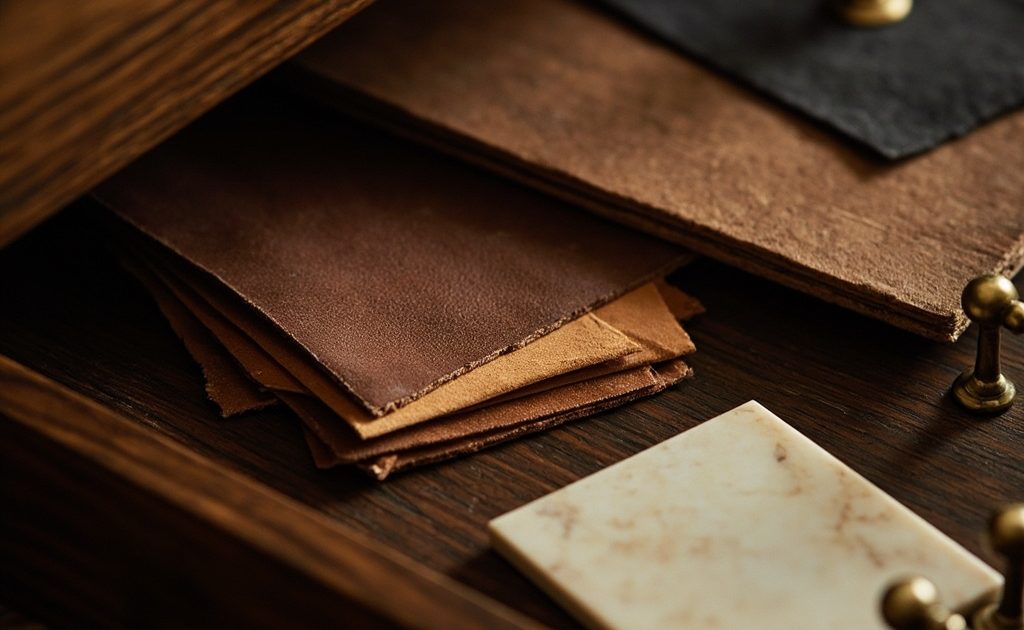
The outermost layer of the hide, kept intact rather than sanded or split away. Because the natural grain stays whole, full-grain leather keeps its strength and develops a rich patina instead of wearing thin. A serious upholstery house starts here; anything below is a compromise.
Aniline leather
Leather dyed with soluble colour that soaks into the hide, with no pigment coat on top. The natural surface — scars, grain, character — stays fully visible and touchable. Aniline is the most supple and honest leather, and the most delicate; it is the connoisseur’s choice.
Semi-aniline leather
Aniline leather given a light protective topcoat against soiling and fading while keeping most of the natural feel. It is the practical sweet spot most households want — most of aniline’s beauty with a fraction of the maintenance.
Nappa leather
A very soft, fine-grained leather, typically full-grain and lightly finished, named after the town of Napa, California. Nappa is prized for how it drapes and feels against skin — the standard for premium seating where comfort and touch come first.
Velvet
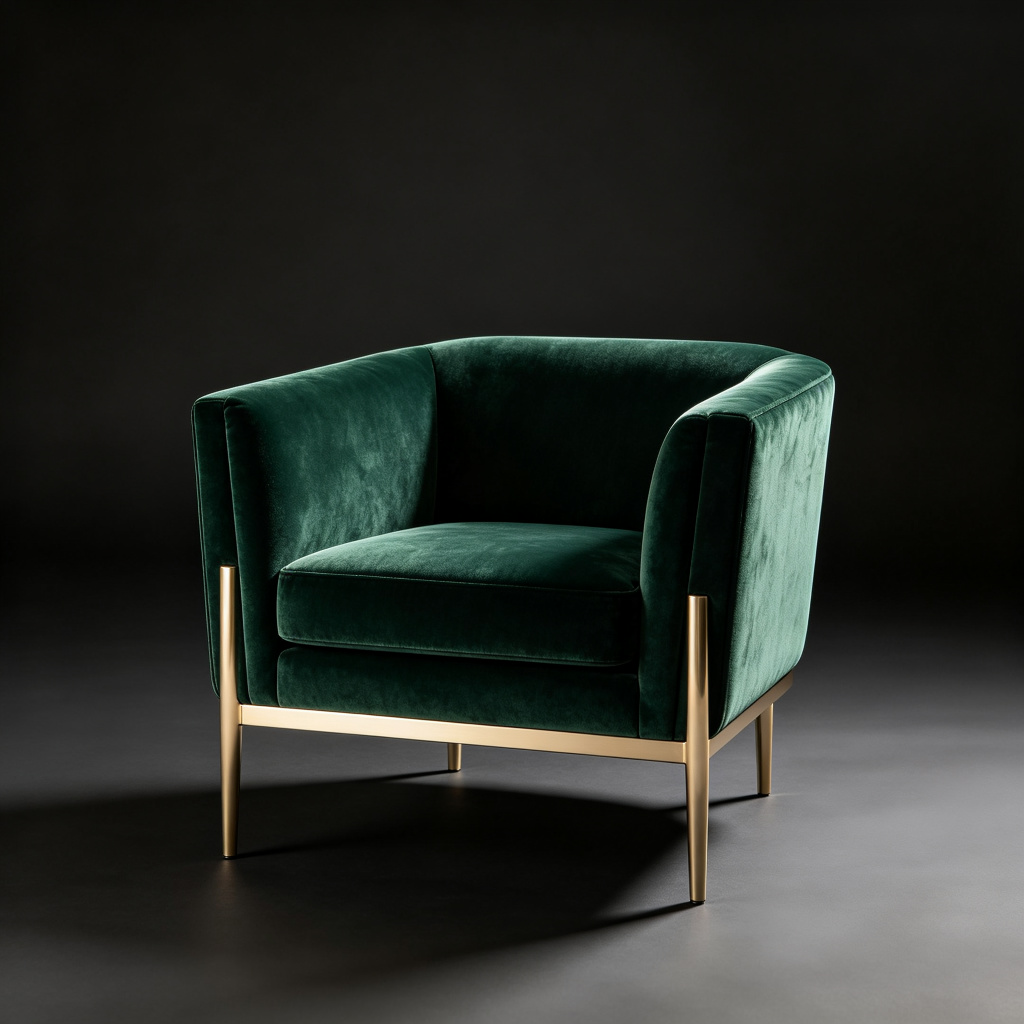
A woven fabric with a dense, short cut pile that catches light differently from every angle, giving a deep, liquid sheen. How the pile is cut and finished decides whether velvet feels plush or cheap — properly made, it is one of the most luxurious upholstery fabrics you can commission.
Bouclé
A looped, nubby yarn whose name means “curled” in French; woven into fabric it makes a soft, textured, tweed-like surface. Bouclé is loved in modern seating for its warmth and forgiving feel — crisp and inviting rather than formal.
Walnut
A rich hardwood with chocolate-to-amber tones and elegant, often straight grain that occasionally swirls into striking figure. Walnut darkens gracefully with age and finishes beautifully oiled, waxed, or lacquered — refined case goods and tabletops without shouting.
Oak
A tough, pale-to-golden hardwood with pronounced, often dramatic grain. It takes stain, lime-wash, and open-pore finishes so well that it suits both rustic and contemporary rooms, and its durability has made it a quality-furniture workhorse for centuries.
Rosewood
A dense, dark tropical hardwood with rich chocolate-red colouring and distinctive dark grain. Heavier and costlier than most woods, rosewood is often reserved for statement pieces or fine accents built to last generations.
Macassar ebony
An exotic, strikingly striped hardwood in near-black with bold bands of lighter brown and gold. Because every board is a visual event, macassar is used sparingly — as trim, inlay, or a high-contrast detail that anchors a whole piece.
Veneer vs. solid
Solid wood is cut from a single thick board; veneer is a thin slice of prized wood laid over a stable core. Veneer is not cheap imitation — fine book-matched veneer is how makers show off spectacular grain no single board could supply. Ask not “solid or veneer?” but “what is the core, and where is the wood honest?”
Kiln-dried timber
Fresh lumber holds sap and moisture that shrink, warp, and crack as it dries. Kiln-drying slowly bakes that moisture out under controlled heat, stabilising the wood before it is ever built into a frame, so the piece stays straight instead of twisting.
Hardwood frame
A structural skeleton built from dense, slow-growing hardwoods rather than softwood or particle board. Because the frame carries every sitting, leaning, and moving load for decades, it is the single best predictor of whether a sofa lasts five years or fifty.
Dowelled joinery
A joint reinforced by cylindrical wooden pegs glued into matching holes in two pieces, locking them together. Done to tight tolerances, dowelling adds real strength while keeping the outer face clean of hardware — one of the quietly reliable ways a quality frame is joined.
Dovetail joinery
An interlocking joint with fan-shaped pins and tails that fit like a puzzle and cannot be pulled apart in one direction. Dovetails are the traditional mark of fine drawer construction — see them on the sides of good drawers and you are looking at craft, not nails.
Suspension
The system beneath the cushions that carries your weight — traditionally coiled springs, today often webbing, zigzag springs, or pocketed coil units. Good suspension supports where you need it and keeps the seat from sagging into a bowl — what separates a sofa that holds you up from one that swallows you.
High-resilience foam
A dense, springy polyurethane foam that snaps back after compression rather than collapsing and denting. It is the reliable core of a modern cushion meant to keep its form for years — a fair step up from soft cheap foam that goes flat within a season.
Feather and down
A luxuriant cushion filling of soft feathers and down that gives a sink-in, cloud-soft seat. Down is wonderfully comfortable and equally high-maintenance, needing regular plumping and an inner wrap to hold shape. A refined maker often wraps down over a foam core for plushness that still holds up.
Tufting
A pattern of buttons or stitching drawn tight through the cushion or back to create a grid of soft dimples. Deep-button tufting is a signature of classic tailored upholstery and takes skilled handwork to pull each depression even; done well it is elegant, rushed it reads sloppy.
Nailhead trim
A row of small metal studs — traditionally brass — driven along a piece’s edge as both decoration and a clean finish for the fabric. Hand-set nailheads, each tapped and spaced individually, read as craftsmanship; machine-applied strips read as decoration.
Brushed gold finish
A metallic finish on hardware and trims lightly abraded to a soft, satin, slightly textured sheen — not glossy, not mirror-bright. Brushing diffuses light and hides fingerprints, a modern, understated luxury for contemporary rooms.
Antique gold finish
A gold-toned finish deliberately aged and shaded, darker tones worked into recesses and highlights left on raised edges to mimic centuries of wear. Antique gold lends a warm, heritage character — cool and current is brushed; romantic and grounded is antique.
Patina
The surface character a material develops with time and use — the deep richness of leather, the darkening of walnut, the honest wear on a beloved armrest. A genuine patina cannot be rushed or faked; it is the quiet signature of years. On quality furniture it is an asset, not a flaw.
Structural frame warranty
The maker’s written promise covering the load-bearing skeleton of a piece for a stated period. It separates a confident workshop from a seller of disposable goods, because a real warranty reflects real construction. Ours covers the frame for ten years — the length we expect the joinery and kiln-dried hardwood to stand behind themselves.
—
When you are ready to commission, take this glossary with you. Ask the maker to name their leathers and woods properly, to show you the dovetails and the frame, to tell you how a piece is finished and whether it can be refinished. The right answers sound calm and specific, never vague. And when you find a workshop that lets you stand where your sofa is built, you are no longer a customer ordering furniture — you are a collaborator in making it.