What Is Contract Furniture? A Definition for Trade Buyers
Contract furniture is furniture manufactured and specified for commercial, hospitality and institutional projects rather than for individual buyers. It is purchased in volume by developers, hotel operators, architects and procurement teams, and it must satisfy the durability, fire-safety and lead-time requirements written into a project specification and a purchase contract — which is where the name comes from.
Key facts
- Contract furniture is sold to projects, not to individuals: the buyer is a developer, operator, designer or procurement agent.
- Each piece is normally produced to an approved drawing rather than selected from a stock catalogue.
- Fire, durability and dimensional performance is specified contractually and documented at handover.
- Lead time is governed by approval milestones — shop drawings, finish samples, mock-up sign-off — not only by factory capacity.
- Unit rates depend on specification, quantity and finish schedule, because pricing is built per project.
- Warranties are split by component: frame, mechanism, upholstery and surface finish carry different terms.
Why is it called “contract” furniture?
The word “contract” describes the commercial agreement that governs the supply, not the style of the piece. In a trade project the furniture is bought against a specification, a bill of quantities and a delivery programme, and all three are contract documents. Once a drawing and a finish schedule are signed, the manufacturer is bound to deliver against them, and the buyer is bound to accept against the same documents.
That is why a contract chair and a retail chair can look identical in a photograph but behave very differently on site. The contract version carries a tested construction, a documented fabric performance rating and a written warranty. The retail version carries a shop receipt.
How does contract furniture differ from retail furniture?
The differences are structural rather than cosmetic, and they run through the whole supply process.
| Dimension | Retail furniture | Contract furniture |
|---|---|---|
| Buyer | Individual purchaser | Developer, operator, architect or procurement agent |
| Volume | One unit or a small set | Batch production to a project schedule |
| Design source | Catalogue model | Architect drawing or an adapted standard model |
| Testing | Consumer-level expectations | Commercial standards such as EN 13501, BS 5852 and BIFMA X5.1 |
| Purchase route | Stock, or a short made-to-order window | Made to order after drawing and sample approval |
| Delivery | Single shipment to one address | Sequenced deliveries to a construction programme |
| Documentation | Invoice and receipt | Spec sheet, test certificates, packing list, handover file |
| Warranty | Statutory consumer terms | Negotiated commercial terms, split by component |
For a trade buyer, the practical consequence is that the purchasing decision has to be made earlier. A retail order can be placed in an afternoon. A contract order needs specification approval before the factory commits material, and that approval is what sets the delivery date.
What standards and certifications apply to contract furniture?
Fire and durability performance is the first thing a specifier checks, and it is almost always named in the tender documents.
- EN 13501 is the European reaction-to-fire classification system for construction products, covering flooring, wall coverings and upholstered furniture components.
- BS 5852 is the British standard for assessing the ignitability of upholstered furniture by smouldering and flaming ignition sources. UK hospitality and public-building specifications routinely require conformity to specific ignition source schedules.
- BIFMA X5.1 is the North American durability and safety standard for general-purpose office chairs.
- CARB P2 and TSCA Title VI are the California and United States federal formaldehyde emission limits for composite wood panels, and both are commonly requested on casegoods.
A contract manufacturer should be able to issue component-level certificates rather than a single blanket claim. In our experience, the requests that slow a project down are the ones raised after production has started, because a certificate covering a specific fabric or panel grade then has to be traced back to the batch that was actually used.
What product categories sit inside a contract furniture package?
A contract package is assembled room by room or zone by zone, and the categories repeat across projects:
- Casegoods — wardrobes, desks, bedside units, dressers and minibar joinery.
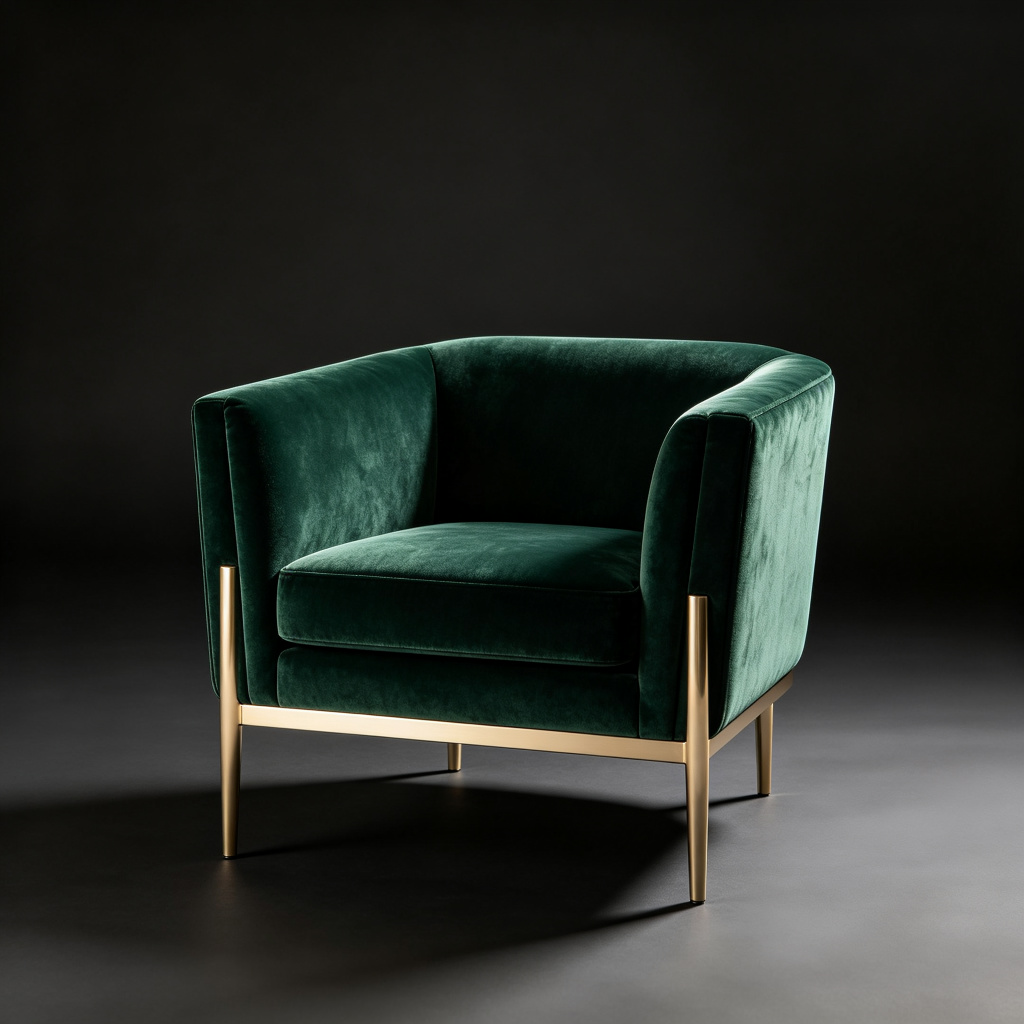
- Loose seating — dining chairs, lounge chairs, bar stools and ottomans.
- Tables — dining, conference, coffee, side and occasional tables.
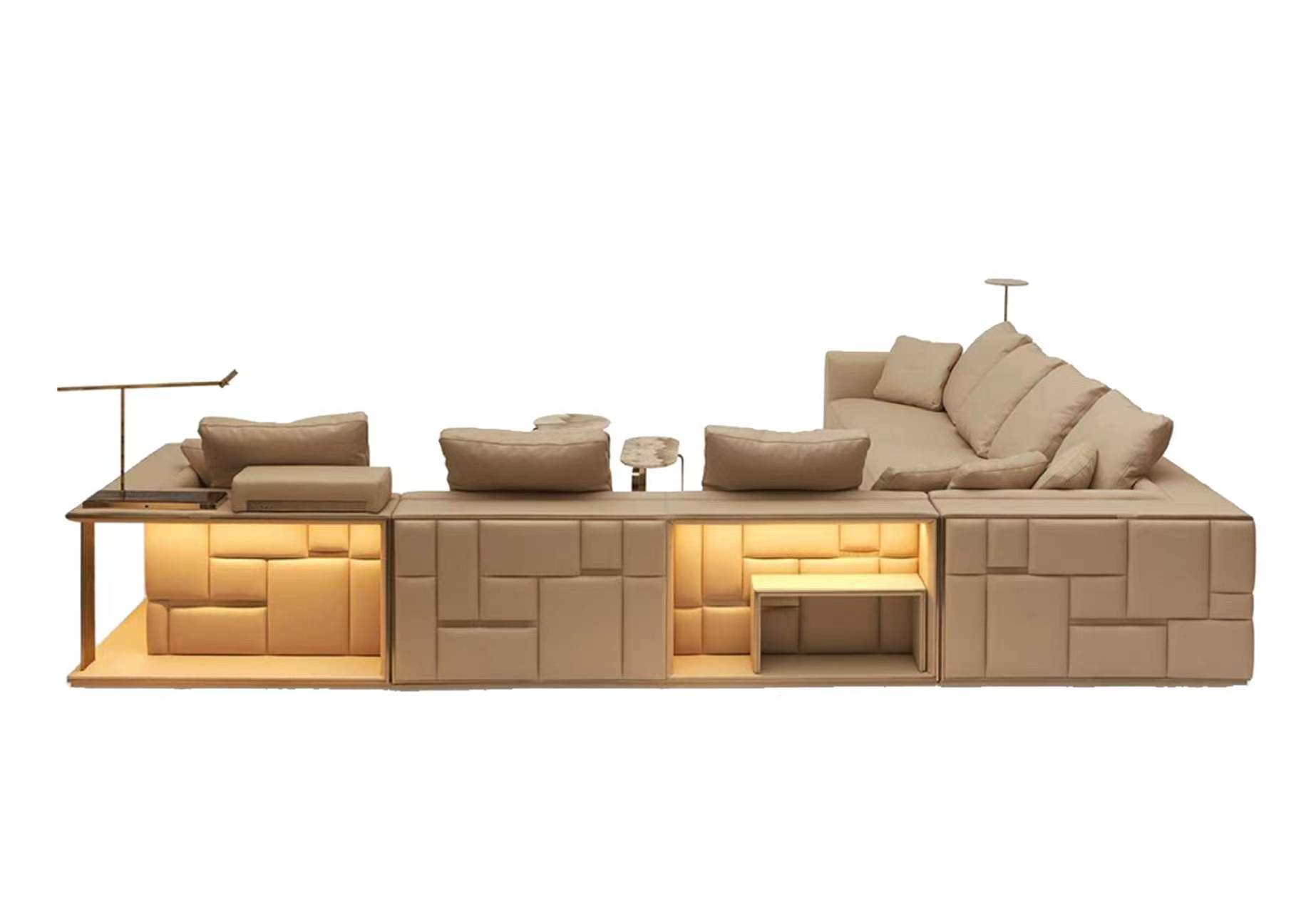
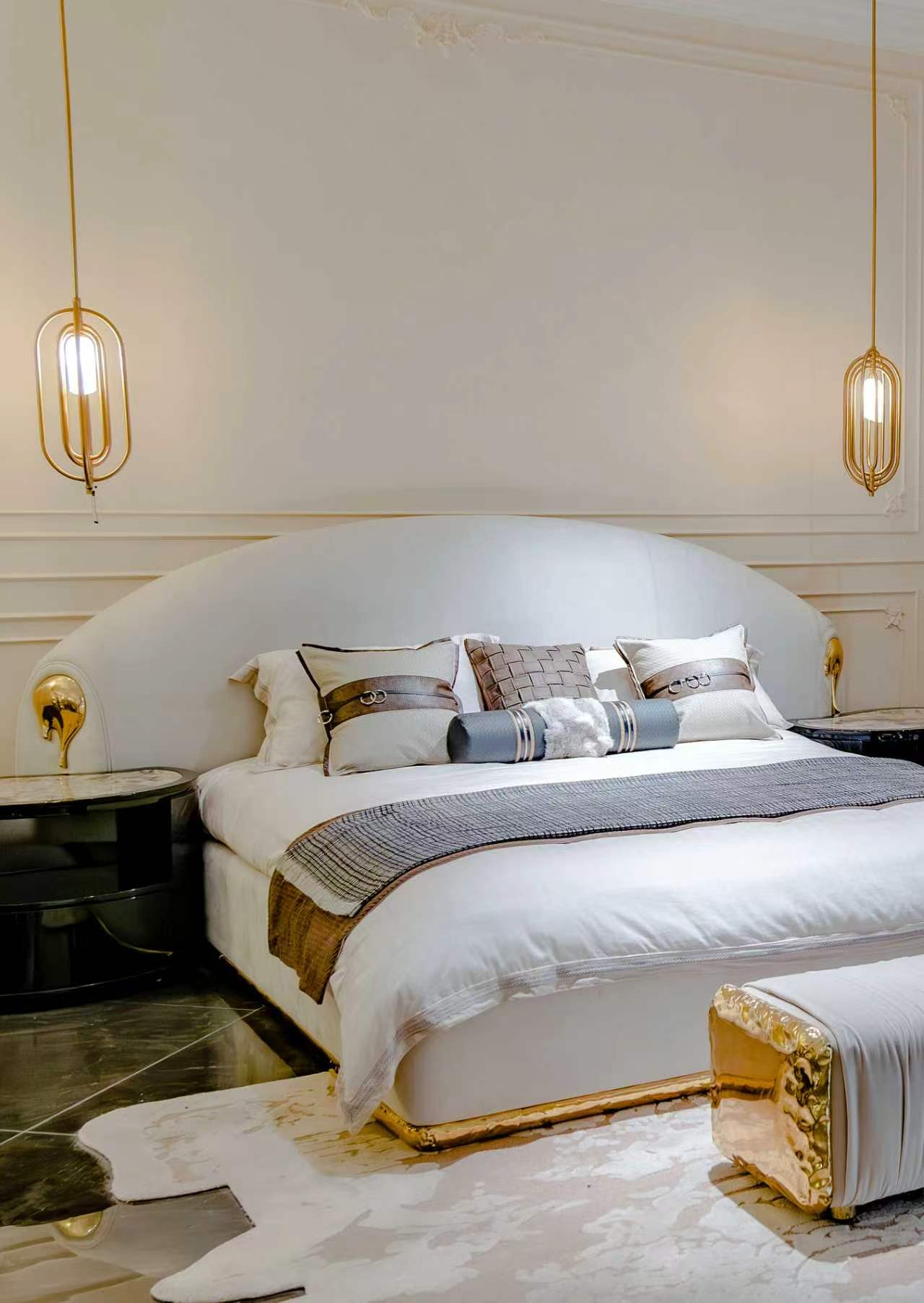
- Fixed and fitted joinery — headboards, banquettes, reception desks and TV panels.
- Soft furnishings — loose cushions, bed bases and mattress platforms.
- Outdoor and terrace — weather-rated seating and tables for pool and terrace areas.
Each category carries its own testing and warranty expectations, which is why a contract quotation is normally issued line by line rather than as a single lump sum.
How is contract furniture priced and quoted?
Contract pricing starts from drawings, not from a catalogue price list. A correct quotation identifies the item, the quantity, the finish, the fabric grade, the packing method and the Incoterm, and it separates product cost from freight, insurance and installation where those are in scope.
Three commercial points catch trade buyers out:
- Volume bands. Unit rates step down as quantity rises, so the same chair can be quoted at several different prices within one project.
- Finish and fabric grade. A change of timber veneer, paint system or upholstery grade changes both cost and lead time.
- Sampling cost. Finish samples and shop drawings are chargeable on some projects and credited back against the order on others, and this should be stated in the quotation rather than discovered later.
What lead times and approval milestones should buyers plan for?
Production time is only part of the timeline. The sequence that matters is approval-driven:
| Stage | Typical duration | Owner |
|---|---|---|
| Drawing and specification review | 1-3 weeks | Designer and manufacturer |
| Shop drawing issue and approval | 1-2 weeks | Manufacturer and designer |
| Finish and fabric sample approval | 1-3 weeks | Designer and operator |
| Mock-up room build and sign-off | 3-6 weeks | Manufacturer and operator |
| Series production | 8-16 weeks | Manufacturer |
| Sea freight and customs | 4-6 weeks | Freight forwarder |
Buyers who compress this by skipping sample approval usually lose the time again at handover, when finish mismatches have to be remade.
What does a contract-grade warranty normally cover?
Warranties are split by component because components fail for different reasons. Structure is assessed by load and joint integrity, mechanisms by cycle testing, upholstery by fabric and foam performance, and surface finish by adhesion and wear. A serious contract manufacturer will quote these terms separately.
At Rosy Rose the standing terms are a 10-year structural warranty, a 2-year finish warranty, and a lifetime refurbishment service for pieces that return to our workshops. The refurbishment route matters to operators running multi-property portfolios, because it turns replacement into repair and extends the life of an approved specification.
Should buyers source direct from the factory or through a dealer?
Both routes are legitimate, and the choice usually comes down to how much control the buyer wants over the specification.
A dealer or agent adds a layer of project management and local accountability, and may carry several brands. A direct manufacturer relationship removes that layer and gives the buyer direct access to production, which shortens the loop when a change is needed. Because carpentry, upholstery, sanding and finishing run in our own Foshan workshops, a question about a timber tolerance, a fabric pull or a paint sheen can be answered by the team that will actually build the piece.
How do you qualify a contract furniture supplier?
Work through the same checklist on every supplier so that the comparison is fair:
- Which production steps are in-house and which are subcontracted?
- Can the supplier issue component-level fire and durability certificates?
- Is the quote drawing-based, with finishes and packing defined?
- Does the supplier run documented pre-shipment inspection, and at how many points?
- Are warranty terms split by component and given in writing?
- Is there a mock-up or sample process before series production?
- Can completed projects be inspected or referenced?
Our own standard is a 16-point pre-shipment quality check applied before goods leave the factory, because defects found at the loading dock cost freight, time and credibility that no warranty claim recovers.
Next step for trade buyers
If you are building a specification, the fastest route to a real number is to send drawings, quantities, finish direction and a target delivery date together. From that, a manufacturer can return a drawing-based quotation, a proposed sampling schedule and a production window.
Rosy Rose has been manufacturing from Foshan since 1983, exports to more than 125 countries, and works from a 200,000 m2 factory supported by a 100,000 m2 showroom in Lecong. Our contract collections — Dorata, Ginevra and Selene — can be adapted, or built from your own drawings.
Send your FF&E package to our export team on WhatsApp +86 188 2788 2512 for a drawing-based quotation and an indicative programme. You can also review collections and finishes at https://www.rosyrose.net/.