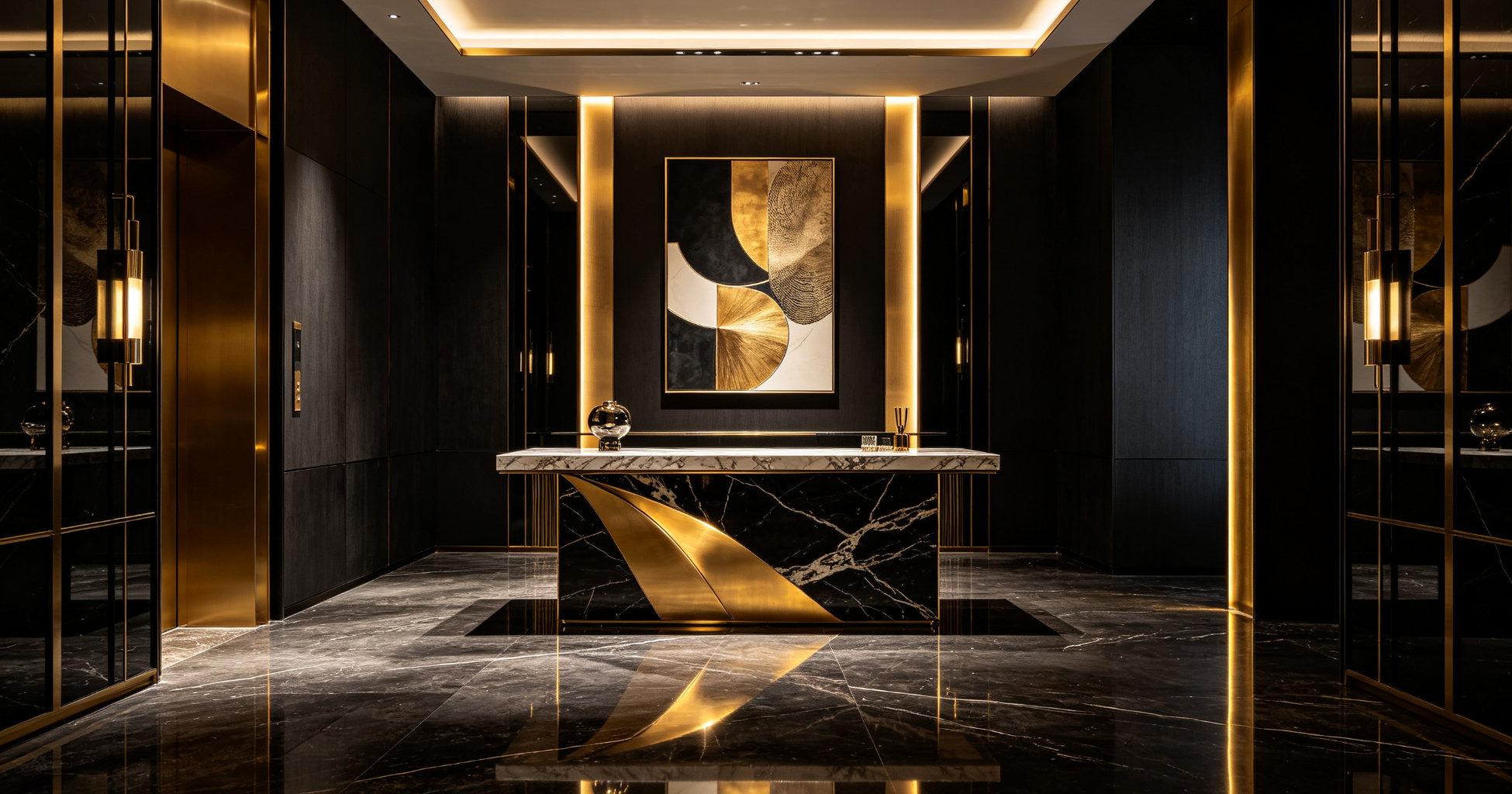
Inside Our Lecong Showroom: How Trade Buyers Use 100,000㎡ of Display
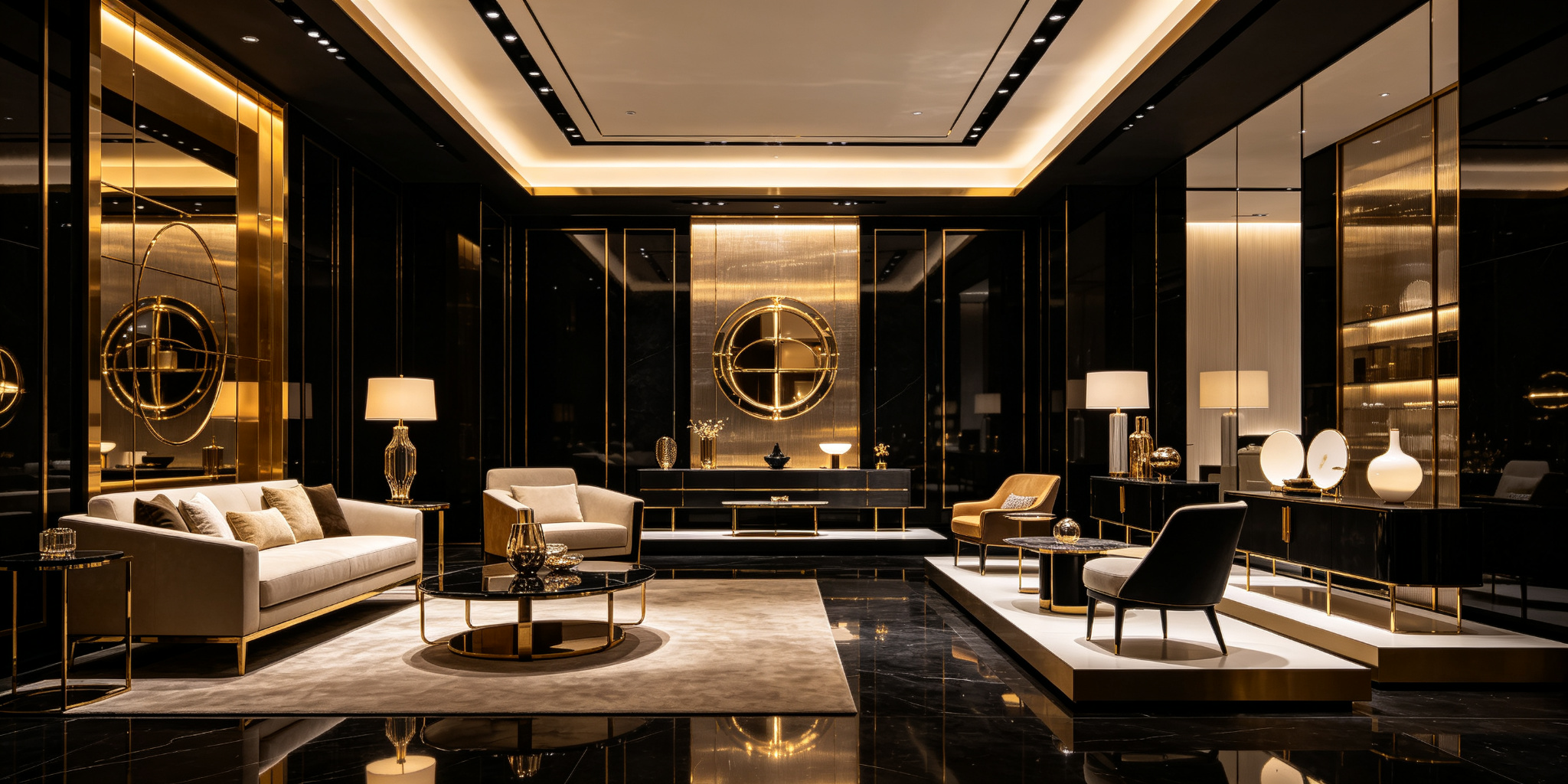
A showroom visit is either the most productive day of a sourcing trip or an expensive walk through other people’s furniture. The difference is rarely the showroom. It is whether the buyer arrives with a brief and a route, and whether the supplier can show a full program in one sequence instead of leading a visitor past whatever happens to be nearest the door. Our Lecong showroom holds 100,000㎡ of display, and this is how trade buyers tend to get the most out of it.
Lecong: The Display District Our Showroom Sits In
Lecong, in Shunde District, is the display side of the Foshan furniture cluster. Manufacturing happens across the wider Foshan area; Lecong is where the road frontage is given over to showroom buildings, some of them large enough to be measured in hectares of display rather than square metres.
For a visiting buyer, that concentration is the practical advantage. You can inspect a shortlist of suppliers within a short drive of each other, which means a five-day trip can cover three or four facilities rather than one. The discipline that makes it work is deciding in advance which suppliers get a half day and which get a full day, because a district this dense will absorb an unstructured itinerary without difficulty.
What 100,000㎡ of Display Is Actually For
Large-format display is not about impressing visitors with scale. It exists because a furniture program cannot be evaluated piece by piece. Colour relationships, finish consistency, scale in a room, and how a seating group reads against a dining group are only visible when the pieces are set up together and in the correct relationship to each other.
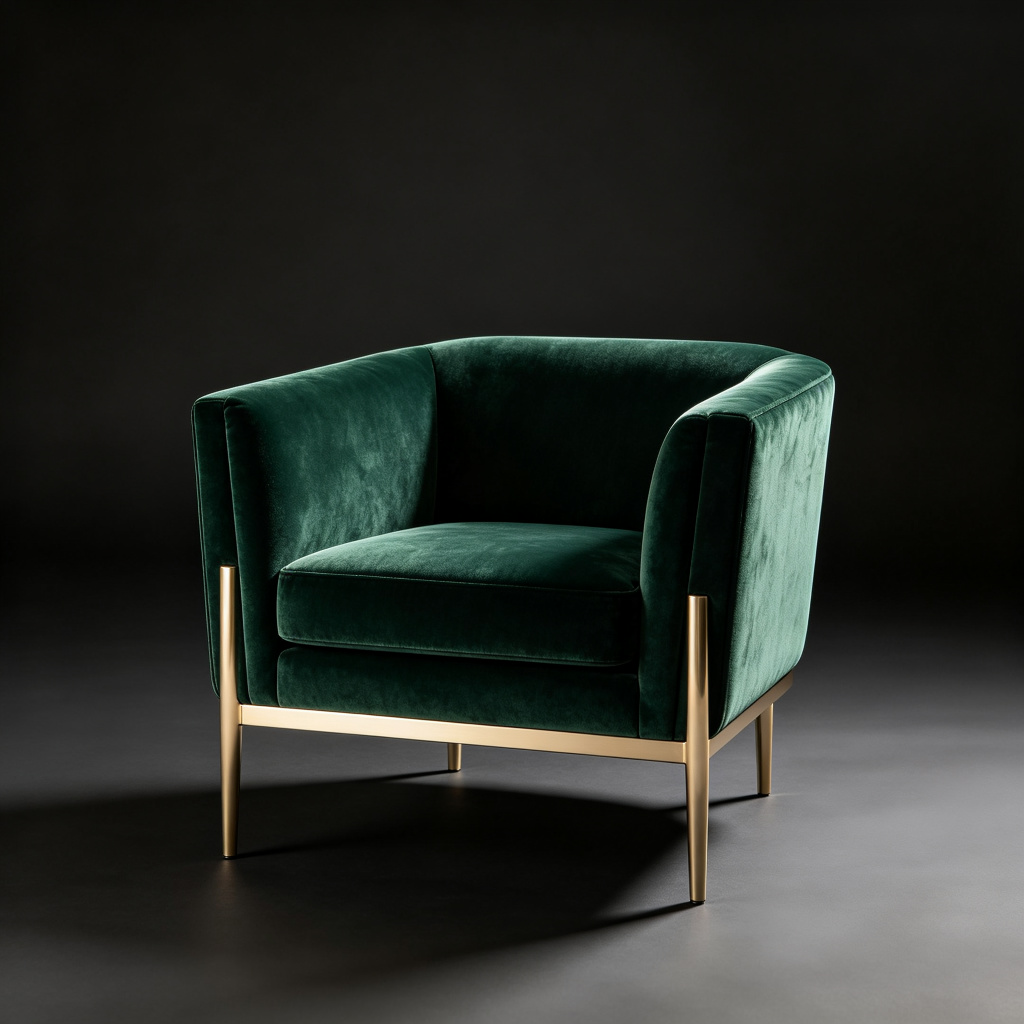
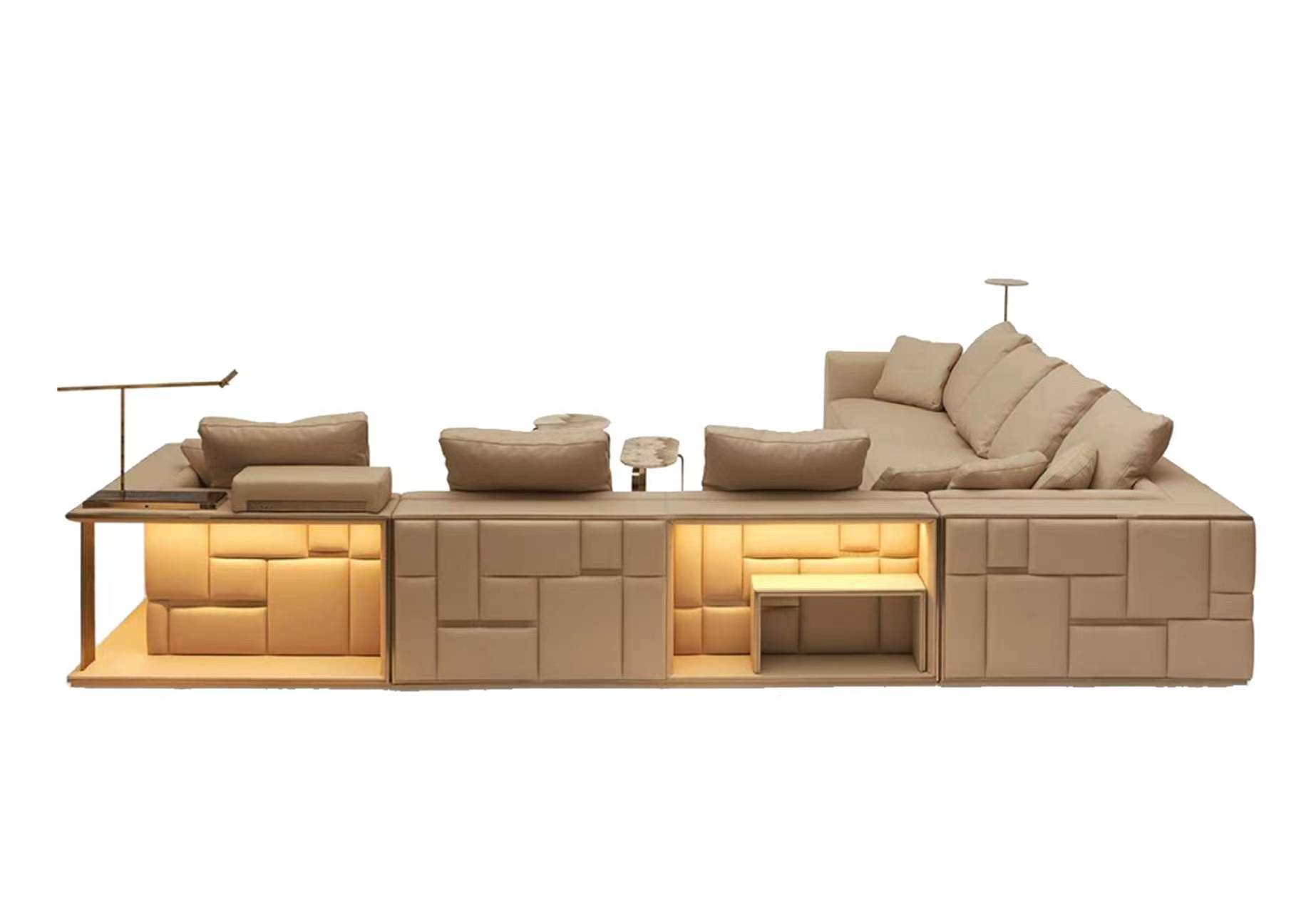
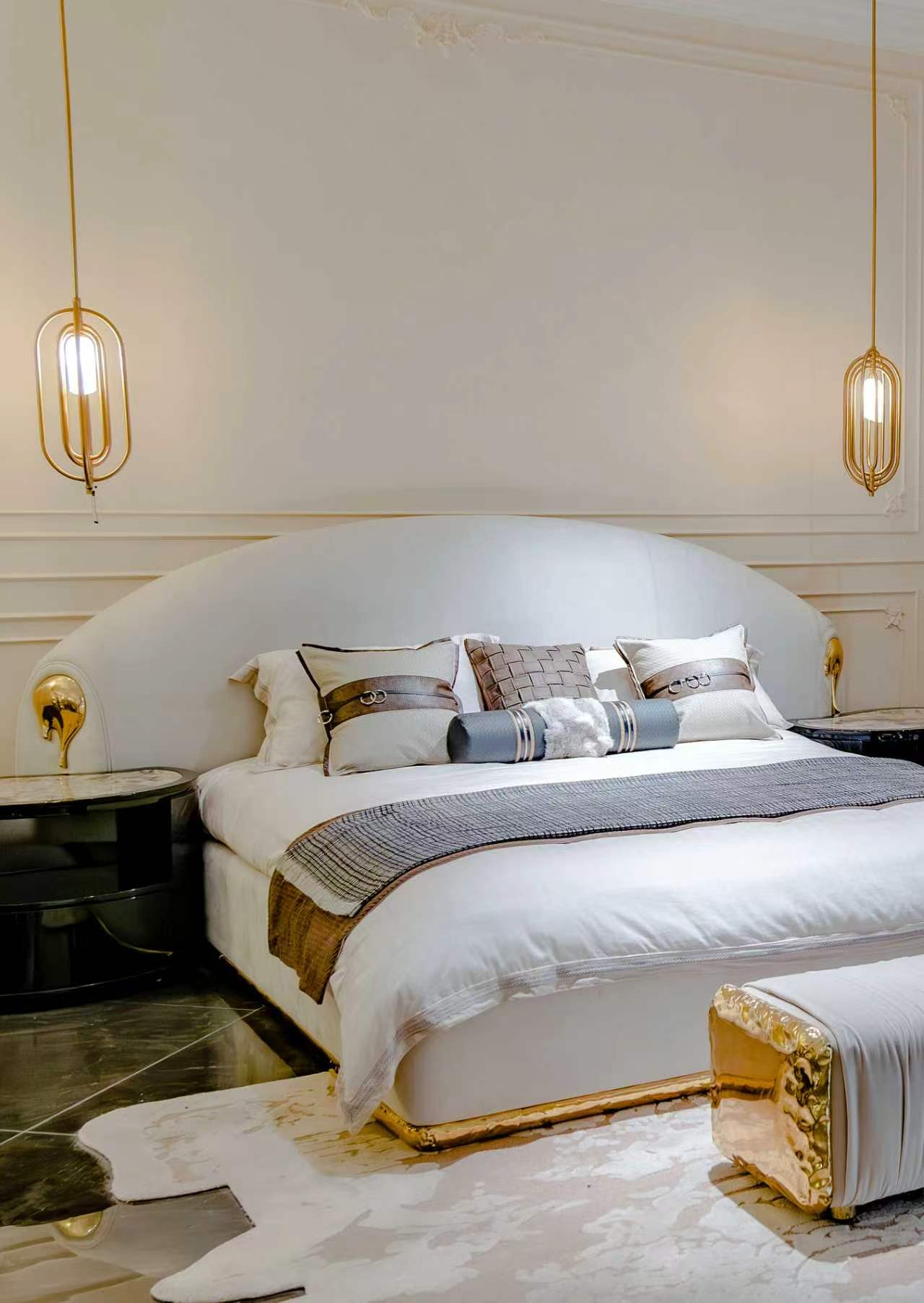
That is why the floor is organised by program rather than by product type. A buyer walking the space is looking at how a living collection sits with a dining collection from the same range, at whether the finish on a lacquer surface matches the finish on an adjacent panel, and at what the range does when it is moved from a bright window to a darker interior.
| Zone | What It Holds | Typical Buyer Purpose | Time Allocation |
|---|---|---|---|
| Collection halls | Dorata, Ginevra and Selene displayed as complete rooms | Evaluating finish groups and cross-collection consistency | 2 to 3 hours |
| Bespoke and sample area | Sample panels, finish references, approved gold samples | Fixing colour, sheen and material decisions against a brief | 1 to 2 hours |
| Materials library | Hides, fabrics, stone and timber references | Shortlisting materials for a specification | 1 hour |
| Technical area | Drawings, joinery details, hardware samples | Resolving how a piece is actually built | 1 to 2 hours |
| Working rooms | Meeting space with power, screens and tables | Pricing, scheduling and program discussion | As required |
Planning the Trip: Two Days, Five Days, or a Working Week
Two days suits a buyer who already has a shortlist and needs to confirm it. Day one is spent walking the ranges against the brief; day two is spent on materials, drawings and commercial terms. This format works best when the brief has been shared in advance, so pieces can be positioned before arrival rather than assembled on request.
Five days suits a buyer moving from evaluation into specification. That extra time is absorbed by three activities that cannot be compressed: finish matching against physical references, reviewing drawings on the pieces that will be modified, and the commercial conversation about volume, tooling and payment structure. Buyers who try to fit specification work into a two-day evaluation routinely leave with decisions deferred to email, which is where they slow down.
A last practical note on scheduling: arrive at the start of your own week rather than the end. Decisions taken on day one have time to be tested against the rest of the range while you are still on site.
What to Bring, and What to Ask
The buyers who get the most from a visit consistently arrive with the same short list of materials:
- The project brief, with the intended market, category mix and volume expectation in writing.
- A room plan or dimension schedule, ideally to scale, since proportions on a large floor read differently from proportions in a plan.
- Any approved reference — a finish panel, a swatch, a photograph printed rather than on a screen, and a colour-accurate lamp if the decision is close.
- A camera plus a scale object, so photographs of joinery details can be read later without guessing dimensions.
- A written list of questions that cannot be answered by looking: warranty position, lead time at your volume, tooling cost for modified pieces, and what happens to the program if a component becomes unavailable.
That last list matters more than it sounds. A showroom answers what a piece looks like. It does not answer what it costs to change it, and those are separate conversations with different people in the building.
Reading a Program the Way a Buyer Does
Experienced buyers do not evaluate piece by piece, and they rarely start with the piece they like most. They start with the finish group, because a program that mixes six different sheen levels across one floor will look inconsistent in installation even when every individual unit is correct.
The sequence that tends to work: walk a full collection without stopping, to get the range’s character at a glance. Then return to the two or three pieces that would actually carry your project and inspect them closely — seat height and depth, back angle, edge and corner treatment, and the quality of the joinery where a table leg meets a rail. Then look at the same pieces again in a different part of the floor, under different light. A finish that behaves well under a north-facing window and badly under warm interior light is a finish that will generate complaints in service.
Finally, compare across collections rather than within one. If a buyer can place a dining chair from one collection against a table from another and the pair still reads as designed together, that is useful information about the range as a system rather than as a catalogue.
From Display to Specification: Making the Trip Pay
A visit converts into value when it ends with decisions recorded rather than impressions remembered. Before leaving the building, aim to have settled the finish group, confirmed the pieces that carry the program, agreed what will be modified and what will be standard, and fixed who owes whom the next document.
That is a lower bar than it sounds. In our experience the buyers who leave with a specification are the ones who asked for the working room early in the visit rather than at the end of it, and who treated the walkthrough as evidence gathering for that session rather than as the main event.
When Travel Is Not Possible: Remote Evaluation
Not every buyer can make the trip, and a sourcing decision should not stall for a year waiting for one. We run remote evaluation sessions in which the showroom team walks agreed pieces on video at the buyer’s direction, answers questions live, and provides measured drawings rather than catalogue dimensions afterwards.
The limits are worth stating honestly. Video compresses colour, so finish decisions taken from a screen should always be confirmed against a physical panel posted to the buyer. Scale reads badly on video, which is why we send dimensional drawings. And the space itself — how a collection feels when you stand inside it — does not translate. Remote evaluation is a strong tool for narrowing a shortlist. It is a weak tool for the final finish approval.
Book a Working Session in Lecong
If you are planning a Guangdong sourcing trip, tell us the dates and the brief before you book flights. We will position the pieces that match your project, prepare the drawings and materials ahead of your arrival, and hold a working room so the commercial discussion happens on the same visit as the technical one.
Book through our export desk on WhatsApp at +86 188 2788 2512, or get in touch via our contact page if you prefer email. Buyers who want to understand what a visit leads into should read how a mock-up room approval is run, and how a purchase can be managed without travelling to China.